
2026 Affiliate Marketing List of Companies (Verified)

Finding a reliable affiliate marketing list of companies often involves wading through outdated 2018 blog posts, broken links, and networks that quietly shut down years ago. For a digital entrepreneur looking to monetize traffic in 2026, old data is expensive. You need to know exactly which platforms offer the highest conversions, reliable tracking, and on-time payouts.
The industry is shifting rapidly. Brands are consolidating their programs into major networks, tracking software has evolved to combat cookie blockers, and mobile-first offers are dominating specific niches. If you want to bypass the clutter and focus strictly on high-converting offers, you need a curated, comparative view of the landscape.
At AffiliList, we maintain a comprehensive, streamlined directory of over 10,000 affiliate programs, prioritizing SaaS, digital tools, and transparent payout terms. Instead of hiding commission rates behind mandatory sign-up walls, we believe marketers should see the terms upfront. This guide distills that data into a definitive, verified list for 2026.
2026 Monetization Quick-Start Matrix
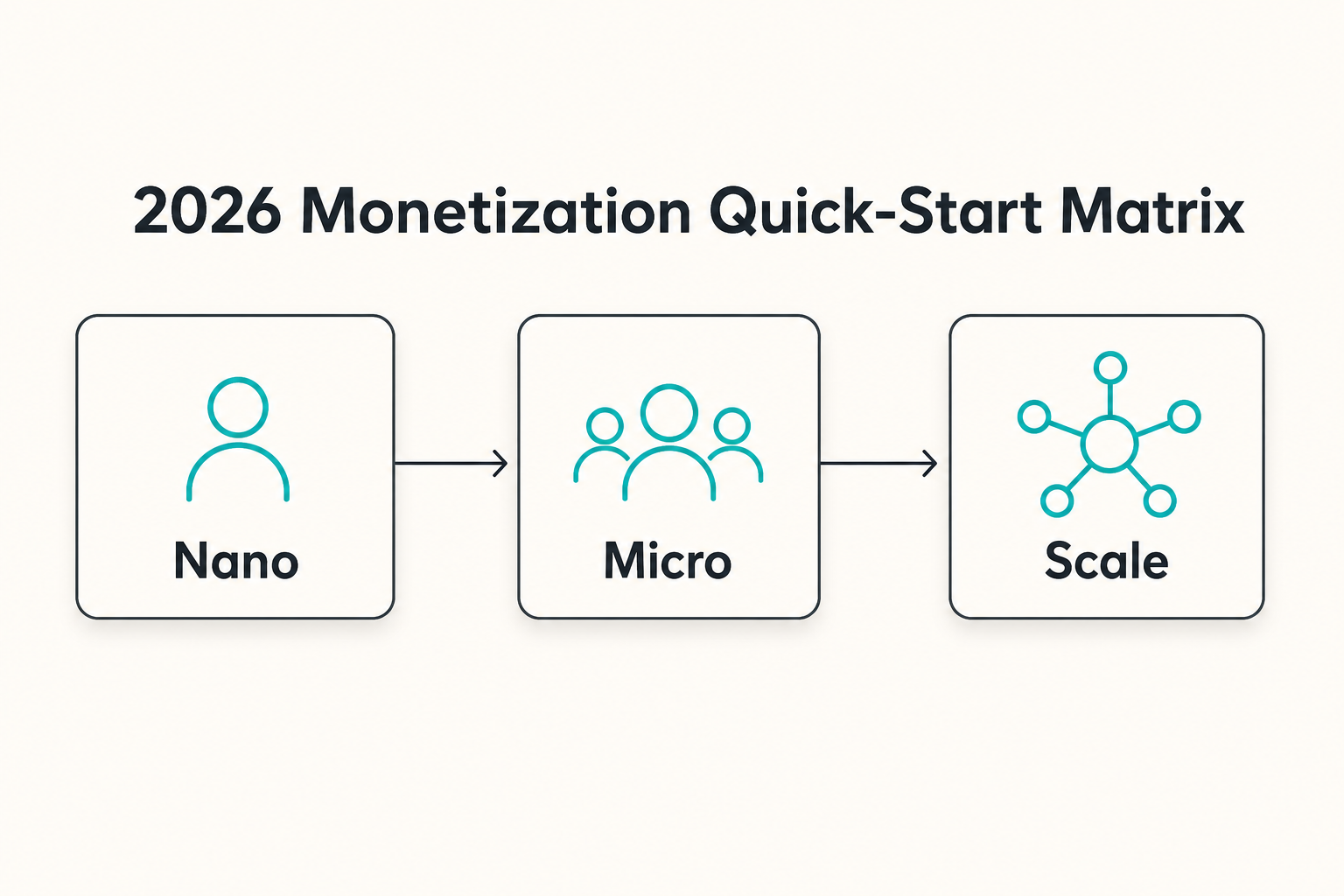
If you want to skip the deep dives and find a network suited to your current audience size and niche, use this comparative matrix. It highlights the top platforms based on their ease of entry, average payout models, and primary verticals.
| Company | Top Category | Commission Avg | Sign-Up Difficulty | Cookie Duration |
|---|---|---|---|---|
| Impact | SaaS / Retail | 10% - 30% | Moderate | 30 - 90 Days |
| PartnerStack | B2B Software | 20% - 40% | Moderate | 90 Days |
| Amazon Associates | Physical Products | 1% - 10% | Easy | 24 Hours |
| Performcb | Mobile / CPA | $2 - $50 per lead | Hard | Session-based |
| ShareASale | E-commerce | 5% - 20% | Easy | 30 - 60 Days |
| LTK (RewardStyle) | Fashion / Influencer | 10% - 15% | Hard | 30 Days |
| CJ Affiliate | Enterprise Brands | 3% - 15% | Hard | Varies |
What is affiliate marketing?
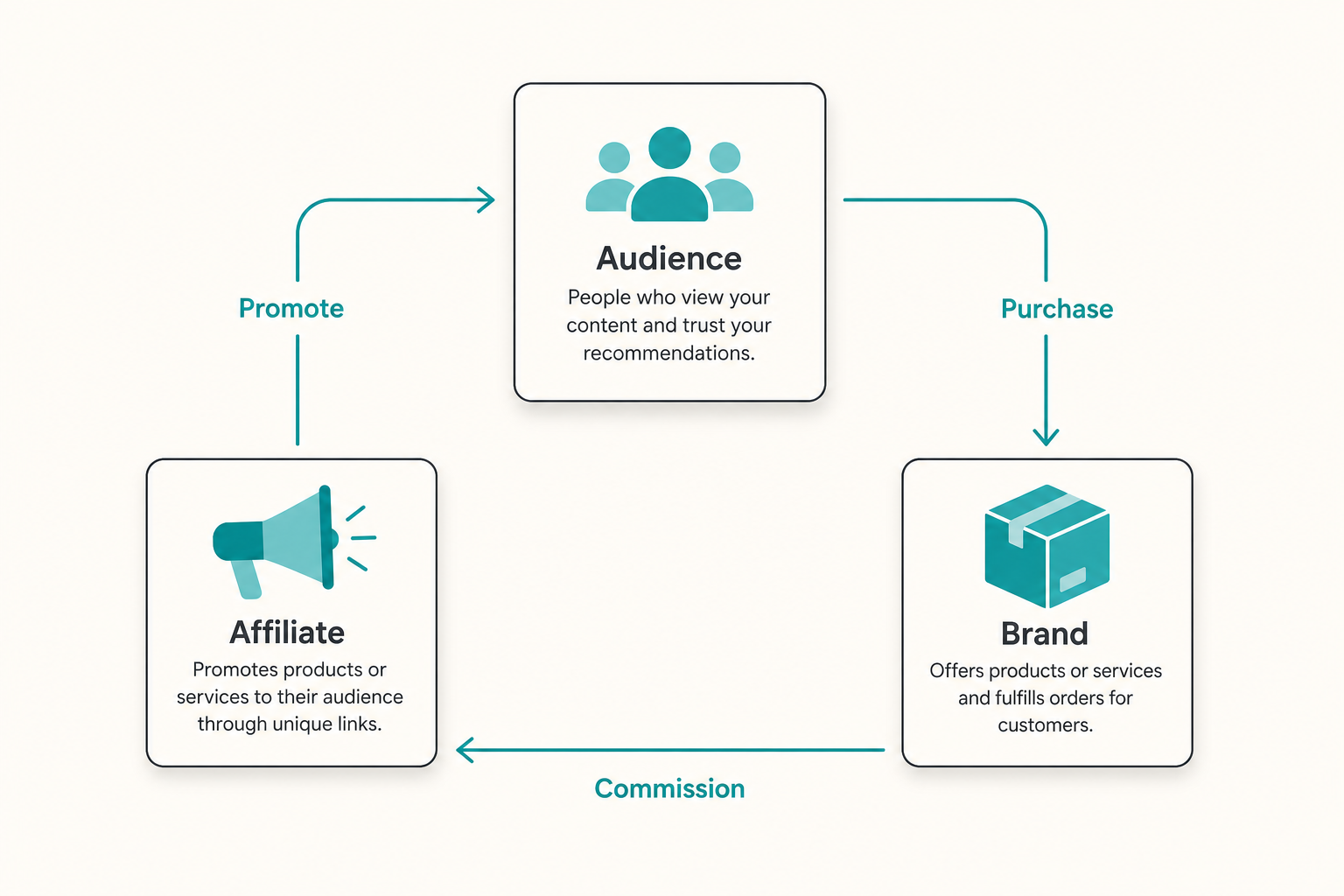
Affiliate marketing is a performance-based revenue model where individuals or businesses (affiliates) earn a commission for promoting another company’s products or services. You act as a digital matchmaker: you introduce your audience to a solution, and if they make a purchase or complete a specific action through your unique tracking link, the brand pays you a percentage of the sale or a flat fee.
Instead of managing inventory, customer support, or product development, affiliates focus entirely on audience building and traffic generation. The tracking is handled by specialized software—often managed by a third-party affiliate network—that attributes the sale directly to your referral, ensuring transparent and automated compensation.
List of the best affiliate marketing companies – networks, programs, platforms and tools
To build a profitable portfolio, you need to partner with reliable platforms. Rather than relying on scattered information on forums like Reddit regarding lists of brands that do affiliate marketing, this section categorizes the top-performing networks and platforms by their core strengths.
The Heavyweights: Broad & Multi-Niche Networks
These platforms host thousands of merchants across nearly every imaginable category. They are the backbone of most niche sites and review blogs.
1. Impact (Impact.com)
- Best For: Modern brands, SaaS, and direct-to-consumer (DTC) products.
- Payout Threshold: $10
- Pros: Exceptional user interface, flexible tracking, direct communication with affiliate managers.
- Cons: Can be overwhelming for complete beginners due to its advanced reporting features.
Impact has aggressively captured market share over the last few years by offering brands superior tracking technology that bypasses traditional cookie limitations. For affiliates, it offers clean, transparent dashboards and automated contract negotiations. It is arguably the most forward-thinking platform for long-term growth.
2. ShareASale
- Best For: Mid-market e-commerce, home goods, and boutique brands.
- Payout Threshold: $50
- Pros: Extremely easy to join, vast inventory of smaller, unique brands.
- Cons: The interface feels dated compared to modern alternatives.
Acquired by AWIN, ShareASale remains a staple for bloggers. While the UI lacks the polish of newer platforms, the sheer volume of niche brands makes it indispensable. If you run a site about woodworking, obscure craft supplies, or pet accessories, you will find merchants here.
3. CJ Affiliate (Formerly Commission Junction)
- Best For: Enterprise-level physical products and travel companies.
- Payout Threshold: $50
- Pros: Access to Fortune 500 brands, robust cookie-less tracking.
- Cons: Strict performance requirements; inactive accounts are frequently deactivated.
CJ Affiliate is where you go when you have proven traffic. Major airlines, global retail chains, and legacy software companies use CJ. It requires a higher level of professionalism to get approved, but the conversion rates from promoting widely recognized brands are exceptionally high.
4. AWIN
- Best For: European markets and global finance/travel.
- Payout Threshold: $20
- Pros: Deep market penetration in Europe, excellent reporting.
- Cons: Requires a $5 screening fee (refunded on your first payout).
AWIN is a behemoth in the international space. If your audience is largely based in the UK or the EU, AWIN is mandatory. They boast some of the highest-converting financial and telecom offers in the world.
SaaS & B2B Specialization
Software-as-a-Service (SaaS) offers some of the most lucrative commissions, often paying recurring monthly percentages for the lifetime of the customer.
5. PartnerStack
- Best For: B2B software and digital marketing tools.
- Payout Threshold: $5
- Pros: High recurring commissions, specialized for software, fast payouts via Stripe or PayPal.
- Cons: Extremely narrow focus; useless for physical product affiliates.
PartnerStack is the gold standard for SaaS. If your audience consists of founders, marketers, or remote workers, this is where you find tools that pay 20% to 40% recurring commissions.
Influencer & Social Monetization
For creators building audiences on Instagram, TikTok, and YouTube, traditional link tracking often breaks in-app. These platforms specialize in influencer monetization.
6. LTK (Formerly RewardStyle)
- Best For: Fashion, beauty, and home decor influencers.
- Payout Threshold: $100
- Pros: Shoppable mobile links, massive consumer app adoption.
- Cons: Invite-only/strict vetting process, lower commission averages.
LTK solved the "link in bio" problem by creating a dedicated shopping ecosystem. It is an essential platform for visual creators, often cited alongside the best influencer affiliate programs for lifestyle monetization.
7. Amazon Associates
- Best For: Universal product promotion and beginners.
- Payout Threshold: $10
- Pros: Unmatched conversion rates, millions of products.
- Cons: Notoriously short 24-hour cookie window, highly restrictive terms of service.
Despite heavy commission cuts in recent years, Amazon remains a giant due to consumer trust. If you send a user to Amazon for a $10 book and they buy a $1,500 television, you get the commission for the television.
8. Twitch Affiliate Partner Program
- Best For: Live streamers and gaming content creators.
- Payout Threshold: $50
- Pros: Built natively into the broadcast ecosystem, recurring subscription model.
- Cons: Tied exclusively to the Twitch platform.
For those in the interactive media and game broadcasting space, the native Twitch program allows creators to monetize via channel subscriptions and bit cheering seamlessly.
Featured Mobile Affiliate Companies
The mobile ecosystem requires specialized tracking. App installs, mobile games, and SMS-based offers operate on entirely different conversion models than desktop e-commerce. As highlighted in mobile marketing resources from the Business of Apps, mobile advertising is highly fragmented, requiring networks that understand postback URLs and deep linking.
9. Performcb (Formerly Clickbooth)
- Best For: CPA (Cost Per Action) and mobile app installs.
- Payout Threshold: $50
- Pros: Proprietary tracking technology, high-paying exclusive offers.
- Cons: Rigorous application process targeting experienced media buyers.
Performcb frequently ranks as the top CPA network globally. If you run paid traffic or have a massive mobile audience, their app install campaigns and lead generation offers provide immense scale.
10. MyLead
- Best For: Global mobile traffic and content locking.
- Payout Threshold: $20
- Pros: Excellent for beginners, offers content lockers for mobile gaming niches.
- Cons: Some offers can be lower quality; requires careful filtering.
MyLead provides a suite of tools, including smart links that automatically route mobile users to the highest-converting offer based on their device (iOS vs. Android) and geolocation.
11. CrakRevenue
- Best For: High-volume mobile traffic, dating, and adult verticals.
- Payout Threshold: $100
- Pros: Exceptionally high payouts, aggressive conversion optimization.
- Cons: Niche-specific; not suitable for mainstream corporate audiences.
CrakRevenue specializes in verticals where mobile traffic dominates. They offer advanced smart links and landing pages optimized heavily for smartphone users.
12. Mobidea
- Best For: Mobile subscriptions and push notification traffic.
- Payout Threshold: €50
- Pros: Built specifically for mobile media buyers, excellent tracking analytics.
- Cons: Heavy focus on sweepstakes and mobile content which requires compliance diligence.
Mobidea is a powerhouse for affiliates who understand mobile ad buying. Their platform is deeply integrated with traffic sources, allowing for real-time optimization of mobile campaigns.
How to choose the best affiliate marketing company?
Choosing the right company is not about finding the one with the highest advertised commission. It is about aligning the platform's strengths with your audience's behavior. A 50% commission on a product that nobody buys will yield less revenue than a 3% commission on a product with a 15% conversion rate.
Here is a decision framework to use when evaluating a platform:
- Audience Alignment: Does the network host brands your audience already recognizes and trusts?
- Tracking Reliability: Does the platform use server-to-server tracking to bypass ad blockers and Intelligent Tracking Prevention (ITP) from browsers like Apple Safari?
- Payment Terms: Are payouts Net-15, Net-30, or Net-90? Waiting 90 days for your money stifles your ability to reinvest in growth.
- Vendor Reputation: Research the network on aggregators like Affiliate.watch to ensure they have a history of paying affiliates on time and not "shaving" leads (unethically reducing your credited conversions).
What are the best features of affiliate marketing companies?
When browsing the AffiliList database or joining a new platform, look for these advanced features that signal a high-quality operation:
- Deep Linking Capabilities: The ability to link to a specific product page rather than a generic homepage.
- Custom Postbacks: Essential for media buyers who need to pass conversion data back to their ad networks (like Facebook or Google Ads) to optimize algorithms.
- Cookieless Tracking: Modern networks use device fingerprinting and server-side tracking to ensure you get credited even if the user clears their browser cache.
- Dynamic Commission Structuring: The ability for merchants to pay you more for new customer acquisition versus returning customer purchases.
How do affiliate programs work?
The mechanics of an affiliate program rely on unique identifiers. When you join a program, you are assigned an affiliate ID. This ID is embedded into the URLs you place on your website, YouTube description, or newsletter.
- The Click: A user clicks your affiliate link.
- The Cookie: A small file (a cookie) is stored on the user's browser, tracking their origin and noting your ID.
- The Conversion: The user makes a purchase or completes a lead form on the merchant's site.
- The Attribution: The merchant's tracking software reads the cookie, confirms your ID, and attributes the sale to you.
- The Payout: The commission is credited to your dashboard and paid out according to the network's terms.
Types of affiliate program models
Affiliate marketing is not universally based on sales. Different networks and niches operate on different payout models:
- CPA (Cost Per Action): You are paid when a user completes a specific action, such as submitting an email, signing up for a free trial, or downloading an app. This is highly popular in the mobile and finance spaces.
- CPS (Cost Per Sale): The traditional model. You receive a percentage of the total purchase price. Standard in e-commerce and SaaS.
- CPL (Cost Per Lead): Similar to CPA, but strictly focused on lead generation (e.g., getting a user to request a quote for solar panels or insurance).
- CPI (Cost Per Install): Specific to the mobile app industry. You are paid every time a user installs and opens an application.
Types of affiliate marketing
One of the biggest mistakes new digital entrepreneurs make is misunderstanding their relationship with the products they promote. As noted in comprehensive guides on the best affiliate programs for marketers, your promotional strategy must dictate the type of marketing you engage in.
The industry categorizes these approaches into three distinct models:
Unattached
Unattached affiliate marketing involves no direct relationship between you and the end consumer, nor do you have authority in the niche.
- Example: Running Google Ads directly to a CPA offer for a mobile game. You don't play the game, and you don't have a gaming blog. You are simply arbitraging traffic.
- Pros: Highly scalable. You don't need to build a personal brand.
- Cons: Requires significant capital to test ads, and profit margins can be razor-thin.
Related
Related affiliate marketing occurs when you promote products in a niche where you have some authority, but you don't necessarily use the specific product yourself.
- Example: A fitness blogger writing a post about "The 10 Best Treadmills," compiling research and linking to various equipment on Amazon Associates or ShareASale.
- Pros: Easier to generate organic search traffic.
- Cons: You risk losing audience trust if you recommend an inferior product simply because it has a high payout.
Involved
Involved affiliate marketing is built on deep trust and personal experience. You only recommend products you use and strongly believe in.
- Example: A graphic designer demonstrating how they use a specific piece of Apple hardware or Adobe software on YouTube, linking to it in the description.
- Pros: Phenomenal conversion rates due to audience trust.
- Cons: Hard to scale across multiple product categories, as your time and authentic usage are the bottlenecks.
How much do affiliate marketing companies cost?
Here is a fundamental rule for affiliates: Joining an affiliate program should always be free.
If a platform asks you to pay a monthly subscription fee to access their links, it is likely a scam or a multi-level marketing (MLM) scheme disguised as affiliate marketing. The cost of running the network is borne entirely by the merchant.
Merchants pay the affiliate network an initial setup fee, a monthly software licensing fee, and a "network override" or transaction fee. For example, if a merchant pays you a $100 commission, they might also pay the network a $20 override fee for facilitating the transaction. As the affiliate driving the traffic, your only costs are your own operational expenses (hosting, software, paid ads, content creation).
(Note: Some networks like AWIN require a small $5 deposit to verify your identity and combat fraud, but this is refunded to your account upon approval.)
What are the most profitable affiliate offer types?
Profitability is subjective and depends heavily on your traffic source, but data across thousands of programs on AffiliList points to three consistently highly profitable offer types:
1. High-Ticket B2B Software (SaaS) B2B software solves expensive business problems, allowing companies to charge premium prices. Affiliate programs in this space (often found on PartnerStack or Impact) frequently offer 20% to 30% recurring commissions.
- The Math: Refer a business to a $500/month CRM software at 20% recurring. You earn $100 every single month for as long as that business uses the software. Just 50 referrals equate to a $5,000 monthly passive income stream.
2. Financial Partnerships (Credit, Crypto, Trading) Finance offers are notoriously lucrative because the lifetime value of a banking or investing customer is massive. Platforms dealing in high-yield savings, crypto exchanges, or trading tools routinely offer $100 to $500 CPA payouts.
- The Catch: The compliance requirements are incredibly strict. You must be careful with the financial advice you provide, as regulatory bodies monitor these promotions closely.
3. Pay-Per-Call Lead Generation In niches like home services (plumbing, roofing), insurance, and legal advice, businesses will pay a premium just to get a qualified prospect on the phone. Using networks like Performcb, you can route calls to local businesses and earn $20 to $100+ if the caller stays on the line for a minimum duration (e.g., 90 seconds).
Work with top affiliate marketing companies
The landscape of affiliate partnerships is vast, but it does not have to be confusing. Whether you are aiming to monetize an influencer profile with lifestyle brands, funnel paid traffic to mobile games, or build a niche site recommending enterprise SaaS tools, the right network exists.
The key to scaling in 2026 is avoiding dependency on a single program. A sudden policy change or commission reduction at one network can decimate your revenue if you aren't diversified. Use directories like AffiliList to cross-reference commission rates, discover hidden gems in your specific niche, and build a robust, multi-platform monetization strategy that protects your income.