
13 Essential Digital Marketing Tools for Affiliates
Discover the 13 essential digital marketing tools affiliate marketers need in 2026 to scale SEO, automate emails, design graphics, and maximize commissions.
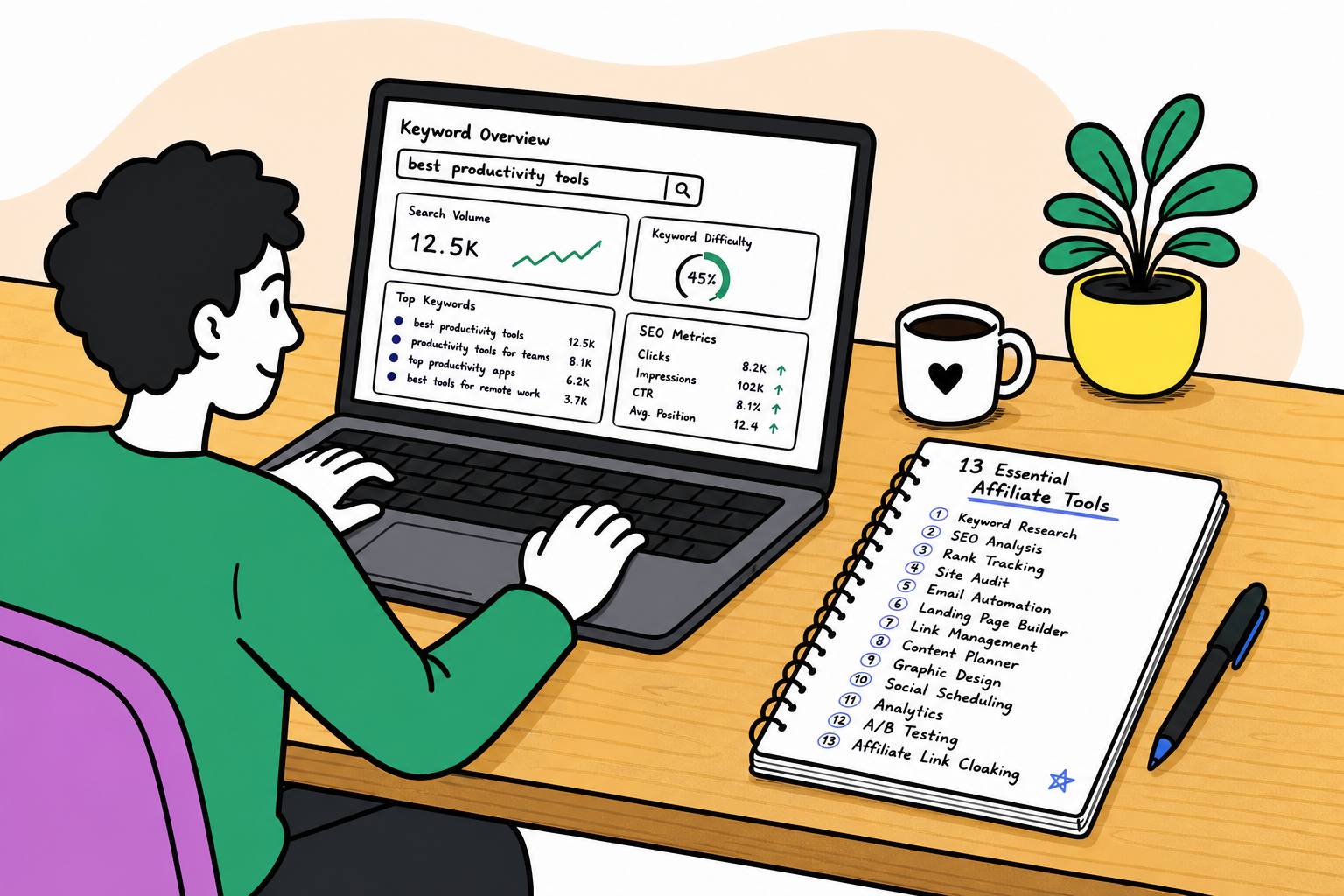
The era of launching a bare-bones WordPress site, pasting a few unoptimized Amazon links, and waiting for passive income is officially dead. Today, successful affiliate marketing operates like a lean digital media company. To compete, you need systems that attract targeted traffic, capture leads, and automate your workflows so you can focus on strategy rather than repetitive tasks.
Whether you are scaling an affiliate marketing side hustle to your first $1,000 a month or managing a portfolio of high-traffic niche sites, your technology stack is your most critical employee. The right software helps you identify profitable keywords, design high-converting funnels, and track precisely which campaigns generate ROI.
But with thousands of SaaS products flooding the market in 2026, building your toolkit can quickly become overwhelming—and expensive.
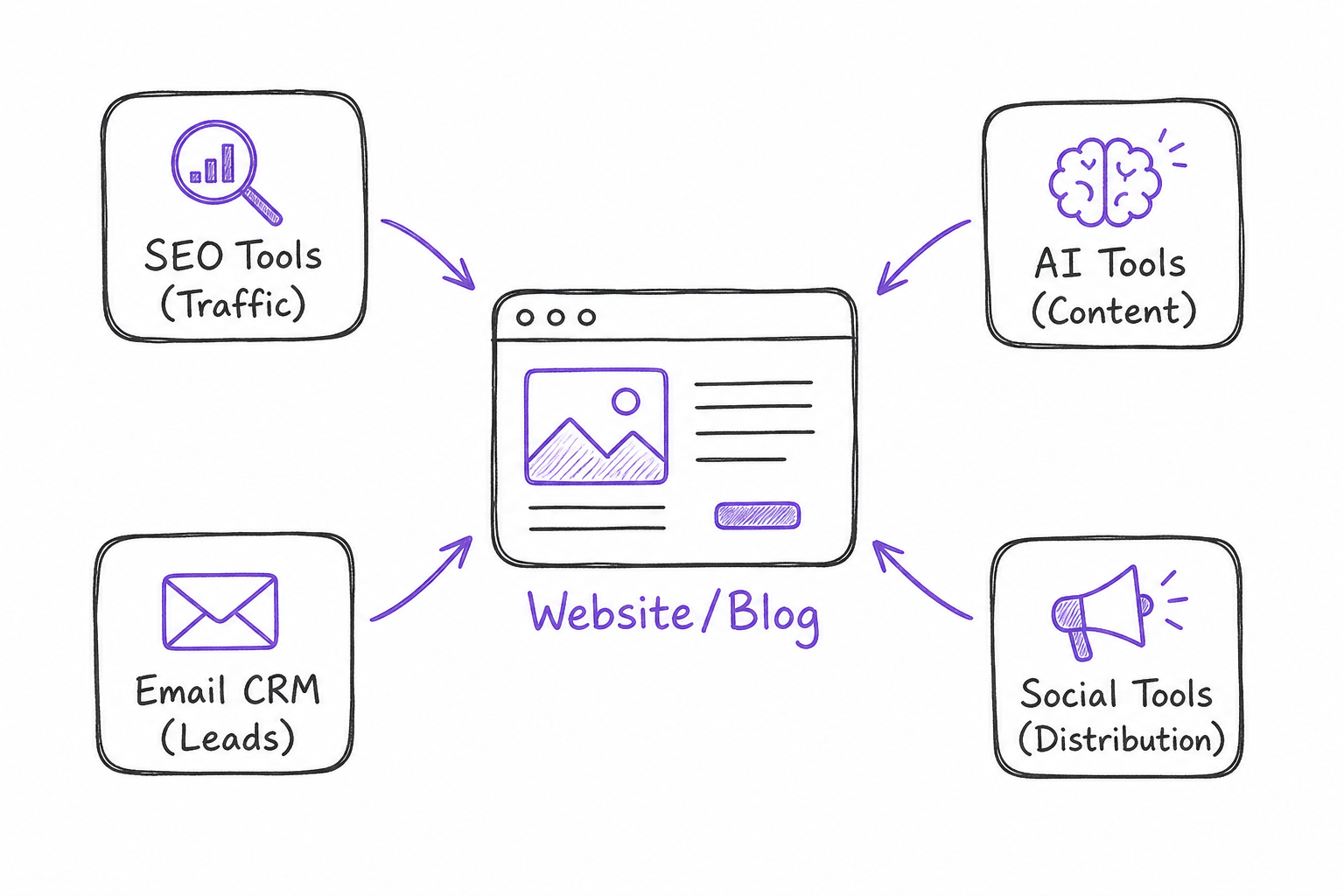
In this guide, we break down the 13 essential digital marketing tools tailored specifically for affiliate marketers, bloggers, and content creators. We have categorized them by their core function, evaluated their free versus paid tiers, and detailed exactly how to leverage them to maximize your commissions.
What Are Digital Marketing Tools?
Before diving into the list, it helps to define our terms. As noted by academic institutions exploring modern business practices, digital marketing tools encompass the software, platforms, and applications used to execute marketing strategies online.
For an affiliate marketer, these tools serve a specific purpose: audience acquisition and conversion. You aren't managing inventory or dealing with customer support. Your entire business model relies on getting the right eyeballs onto the right offers. Therefore, your digital marketing tools must excel at SEO, content creation, social media distribution, email lead capture, and performance tracking.
The Best Digital Marketing Tools for Websites and SEO
Search Engine Optimization (SEO) remains the most lucrative traffic source for affiliates. High-intent organic traffic converts better than almost any other channel. If someone searches for "best HR software for remote teams," they are ready to buy. Here are the tools to capture that traffic.
1. Ahrefs (For Keyword Research and Competitor Analysis)
Ahrefs is arguably the most powerful SEO tool on the market. For niche site owners, it acts as a radar system for uncovering untapped search demand.
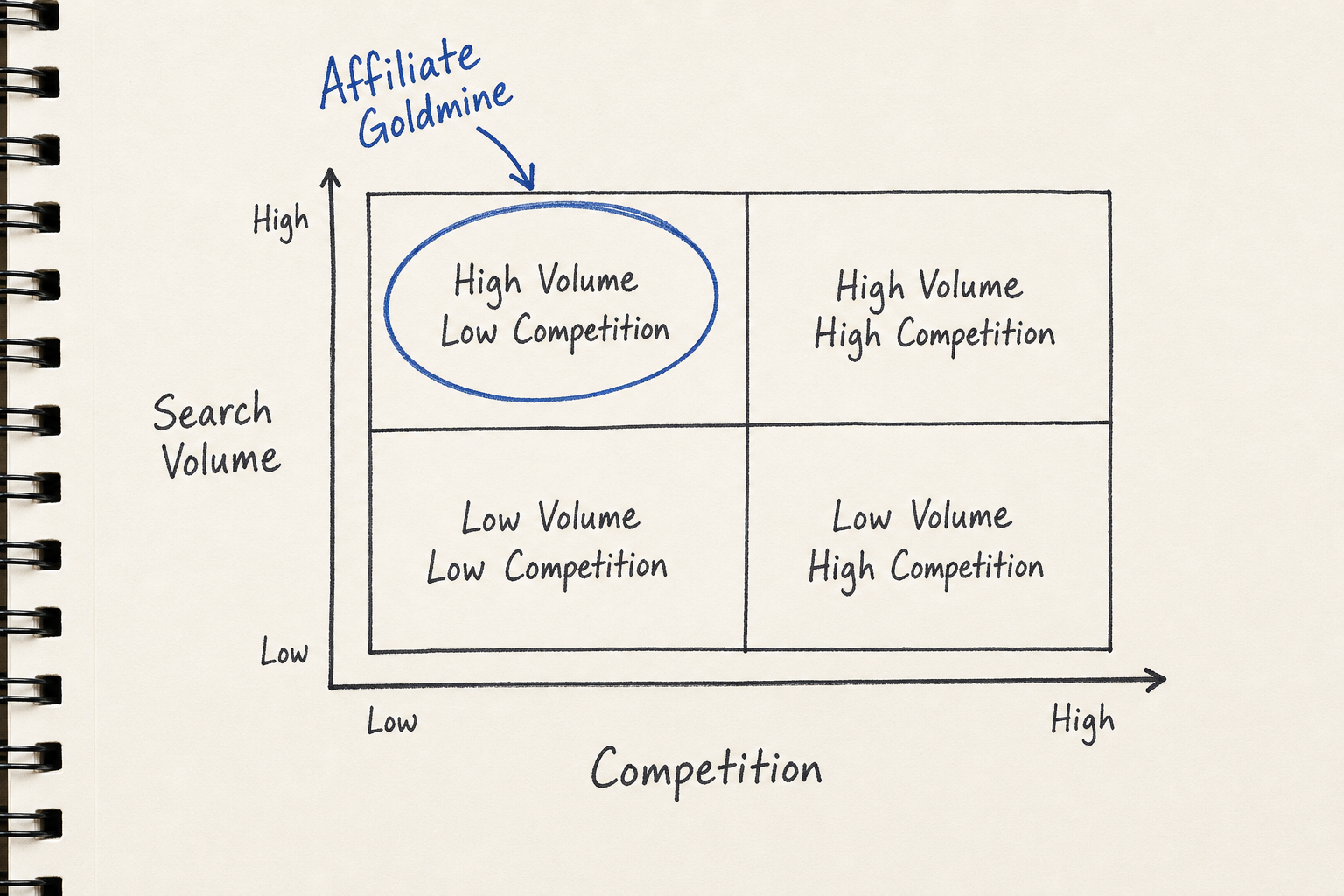
Instead of guessing what your audience wants, Ahrefs allows you to analyze competitor websites and see exactly which keywords bring them traffic and which affiliate pages generate the most value. When you are learning how to pick a niche for affiliate marketing, Ahrefs helps you validate the search volume and assess the difficulty of ranking before you invest time into content creation.
- Best Affiliate Use Case: Reverse-engineering competitor sites. Plug a competing affiliate blog into the Site Explorer, navigate to "Top Pages," and identify their most lucrative software review articles.
- Pricing: Premium (starts around $99/mo), though they offer a suite of free webmaster tools for site owners.
- Pro Tip: Use the "Keyword Gap" feature to find low-competition long-tail keywords that your main competitors are currently ignoring.
2. Semrush (For All-in-One SEO and PPC)
While Ahrefs excels at backlink analysis, Semrush is a powerhouse for all-in-one digital marketing, particularly if you run paid traffic (PPC) alongside your organic campaigns.
Semrush provides extensive data on search intent, allowing you to filter keywords by "Informational," "Navigational," "Commercial," or "Transactional." As an affiliate, you want to hyper-target Commercial and Transactional intent. Furthermore, if you are promoting high paying affiliate programs via Google Ads, Semrush lets you see the exact ad copy and historical bidding data of other advertisers in your space.
- Best Affiliate Use Case: Tracking daily keyword rankings and optimizing existing content using the On-Page SEO Checker.
- Pricing: Premium (starts around $129/mo), but offers a limited free account for tracking a handful of keywords.
3. Wix (For an All-Around Site Builder)
Historically, affiliates flocked strictly to WordPress. However, in 2026, Wix has evolved into a formidable platform for content creators who want to bypass the technical headaches of hosting, plugin conflicts, and site maintenance.
Wix offers robust built-in SEO capabilities, fast loading speeds, and an intuitive drag-and-drop interface. If your goal is to launch quickly and test one of the most profitable affiliate marketing niches without spending weeks on web development, Wix is a highly viable alternative.
- Best Affiliate Use Case: Launching a visually appealing niche blog or portfolio site in under 48 hours without needing to hire a developer.
- Pricing: Free basic plan; premium plans starting at ~$16/mo.
The Best Digital Marketing Tools for AI and Content Generation
Content is the vehicle that carries your affiliate links. In the past, scaling content meant hiring an army of expensive freelance writers. Today, AI has completely leveled the playing field, provided you know how to use it as an assistant rather than a replacement for human insight.
4. ChatGPT (For Versatile Research and Outlining)
Experienced marketers have largely moved past using ChatGPT to write unedited, generic blog posts. Instead, they use it as an advanced ideation engine. As discussed in community threads by veteran marketers detailing their favorite tools after 15 years in the industry, ChatGPT shines when used for structural tasks: generating content briefs, organizing topical maps, and analyzing data sets.
- Best Affiliate Use Case: Feed ChatGPT a list of top-ranking articles for your target keyword and ask it to generate a comprehensive outline that covers all their main points, plus identifies any missing information you can add to make your post better.
- Pricing: Free version available; Plus version is $20/mo.
5. Writesonic (For AI-Powered SEO Content)
Unlike general LLMs, Writesonic is purposefully built for marketing and SEO. It connects to live search data, allowing it to generate factual, up-to-date content optimized for specific keywords.
For affiliates running multiple niche sites, Writesonic can draft product descriptions, listicle structures, and comparison tables that require minimal human editing before publishing. It includes built-in SEO scoring to ensure the draft hits necessary keyword density without stuffing.
- Best Affiliate Use Case: Rapidly scaling "Best X for Y" software review roundups by generating the structural draft and feature comparisons, leaving you to inject your personal verdict and affiliate links.
- Pricing: Free tier available; paid plans scale based on word count.
The Best Digital Marketing Tools for Graphics and Social Media
Text alone won't convert modern buyers. You need compelling visuals to build trust, and you need social media distribution to diversify your traffic away from Google algorithm updates.
6. Canva (For Web and Social Graphics)
Canva has democratized design. Whether you need a featured image for your affiliate marketing blog, custom Pinterest pins, or YouTube thumbnails, Canva provides thousands of templates that look professionally made.
For niche site owners, custom visuals are a ranking factor. Unique infographics and comparison charts keep users on the page longer, signaling to search engines that your content is valuable.
- Best Affiliate Use Case: Creating custom "Pros vs. Cons" graphics and feature comparison tables to embed in your product reviews.
- Pricing: Robust free plan; Pro plan is ~$15/mo.
7. Buffer (For Social Media Management)
Managing presence across Twitter (X), LinkedIn, Facebook, and Instagram natively is a massive time sink. Buffer allows you to schedule your content weeks in advance across all major platforms from a single dashboard.
According to industry insights on digital marketing tools, consistent scheduling is critical for algorithm favorability. Buffer makes it easy to recycle evergreen affiliate content, ensuring your old posts continue to get fresh eyeballs on social media.
- Best Affiliate Use Case: Batch-creating a month's worth of social media posts promoting your top-converting affiliate articles and scheduling them to drip out automatically.
- Pricing: Free for up to 3 channels; paid plans start at $6/mo per channel.
The Best Digital Marketing Tools for Landing Pages and Video
Sometimes a full website is overkill. If you are running paid ads or driving traffic from social media bios, you need streamlined, high-converting assets.
8. Carrd (For Building Micro-Landing Pages)
Carrd is the undisputed champion of the one-page website. It is incredibly fast, mobile-optimized, and cheap.
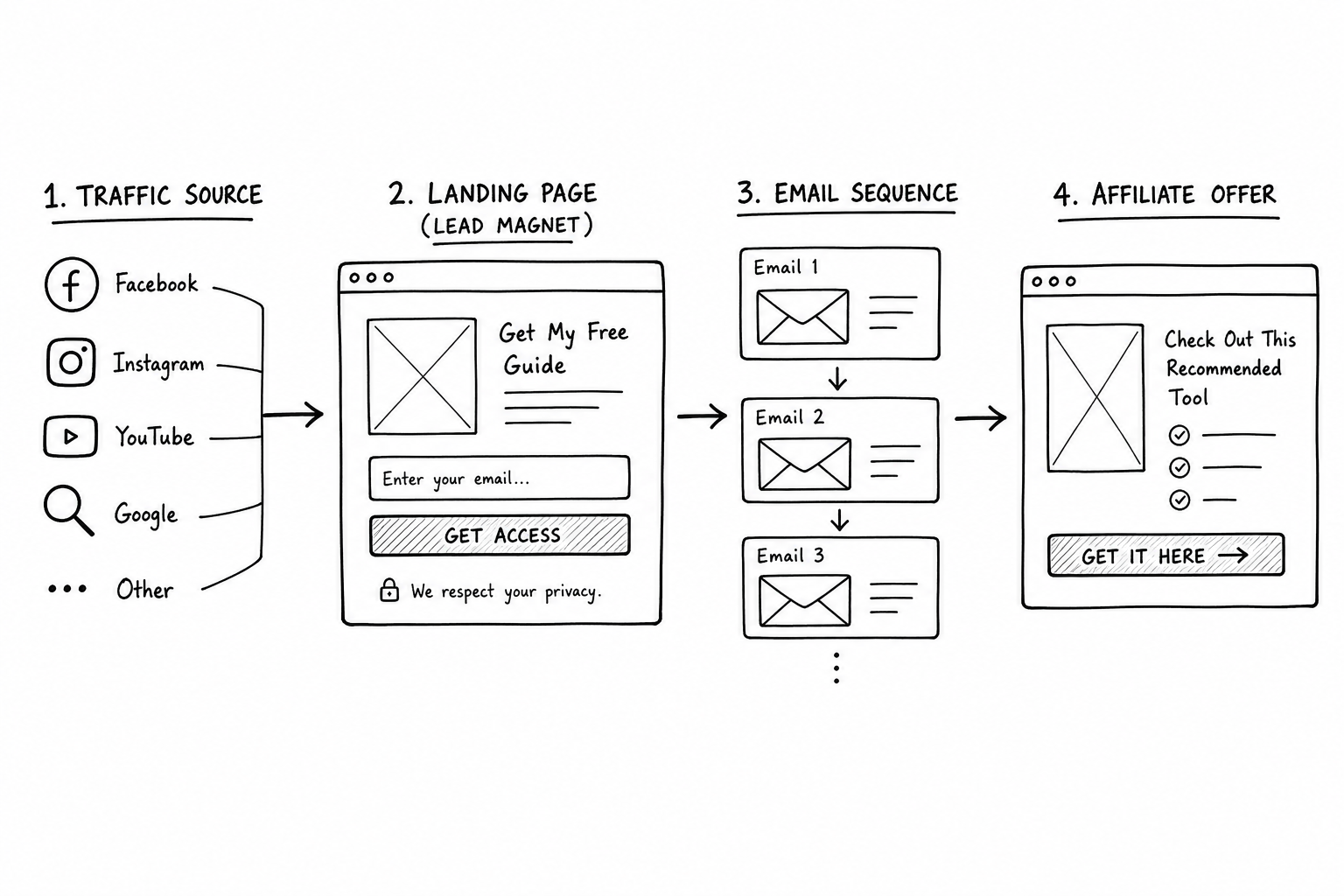
Affiliate marketers use Carrd extensively for social media "link in bio" pages, lead magnet opt-ins, and bridge pages. A bridge page sits between your traffic source (like a TikTok video) and the affiliate offer, helping to pre-frame the visitor and warm them up before they click through to the merchant.
- Best Affiliate Use Case: Building a simple email capture page for affiliate marketing on Pinterest, where you offer a free checklist in exchange for an email address.
- Pricing: Free basic plan; premium features (like custom domains) cost just $19 per year.
9. Google Veo (For AI Video Generation)
Video marketing is dominating the digital landscape. Google Veo represents the next wave of AI video generation, allowing marketers to turn text prompts into high-quality video snippets.
If you are shy on camera but want to leverage YouTube Shorts or TikTok to drive affiliate sales, tools like Veo (and competitors like Sora) allow you to generate b-roll footage, product demonstration concepts, and visual hooks to pair with AI voiceovers.
- Best Affiliate Use Case: Generating engaging background footage for short-form video content that drives traffic to your affiliate links.
- Pricing: Currently integrated into Google's premium AI tiers.
The Best Digital Marketing Tools for Marketing Automation and Lead Management
"The money is in the list" is the oldest cliché in digital marketing, and it remains 100% accurate. If you do not capture your own audience, you are at the mercy of algorithms and platform bans.
10. ActiveCampaign (For Advanced Campaign Automations)
When someone asks, "Is affiliate marketing legit?" the answer is often found in how professional the marketer's backend systems are. Spammers drop links; professionals build relationships.
ActiveCampaign is an elite email marketing and automation platform. It goes far beyond sending newsletters. It allows you to build complex logic flows based on user behavior. If a subscriber clicks a link about "crypto trading" but ignores an email about "real estate investing," ActiveCampaign can automatically tag them and send them exclusively crypto-related affiliate offers in the future.
- Best Affiliate Use Case: Segmenting your audience based on their clicks and automatically triggering tailored affiliate email sequences.
- Pricing: Starts around $15/mo depending on list size.
11. Klaviyo (For User-Friendly Lead Management)
While historically known as an e-commerce tool, Klaviyo is increasingly popular among affiliates promoting physical products or operating in the DTC (direct-to-consumer) space. Klaviyo excels at tracking precise user data on your website and using it to trigger hyper-personalized emails.
If you review physical gear in profitable affiliate marketing niches (like outdoor equipment or home gym setups), Klaviyo's robust analytics help you track exactly which emails drive the highest click-through rates to your partner brands.
- Best Affiliate Use Case: Managing email campaigns for niche sites that blend affiliate physical product reviews with digital downloads.
- Pricing: Free for up to 250 contacts; scales with list size.
Automate Your Digital Marketing Tools
Having powerful tools is useless if they exist in silos. The true magic happens when your software communicates seamlessly, allowing data to flow from your website to your CRM and into your email sequences without manual data entry.
12. Zapier (For All-in-One Automation)
Zapier is the glue that holds the modern digital marketing stack together. It connects over 6,000 web apps, allowing you to create "Zaps" (automated workflows).
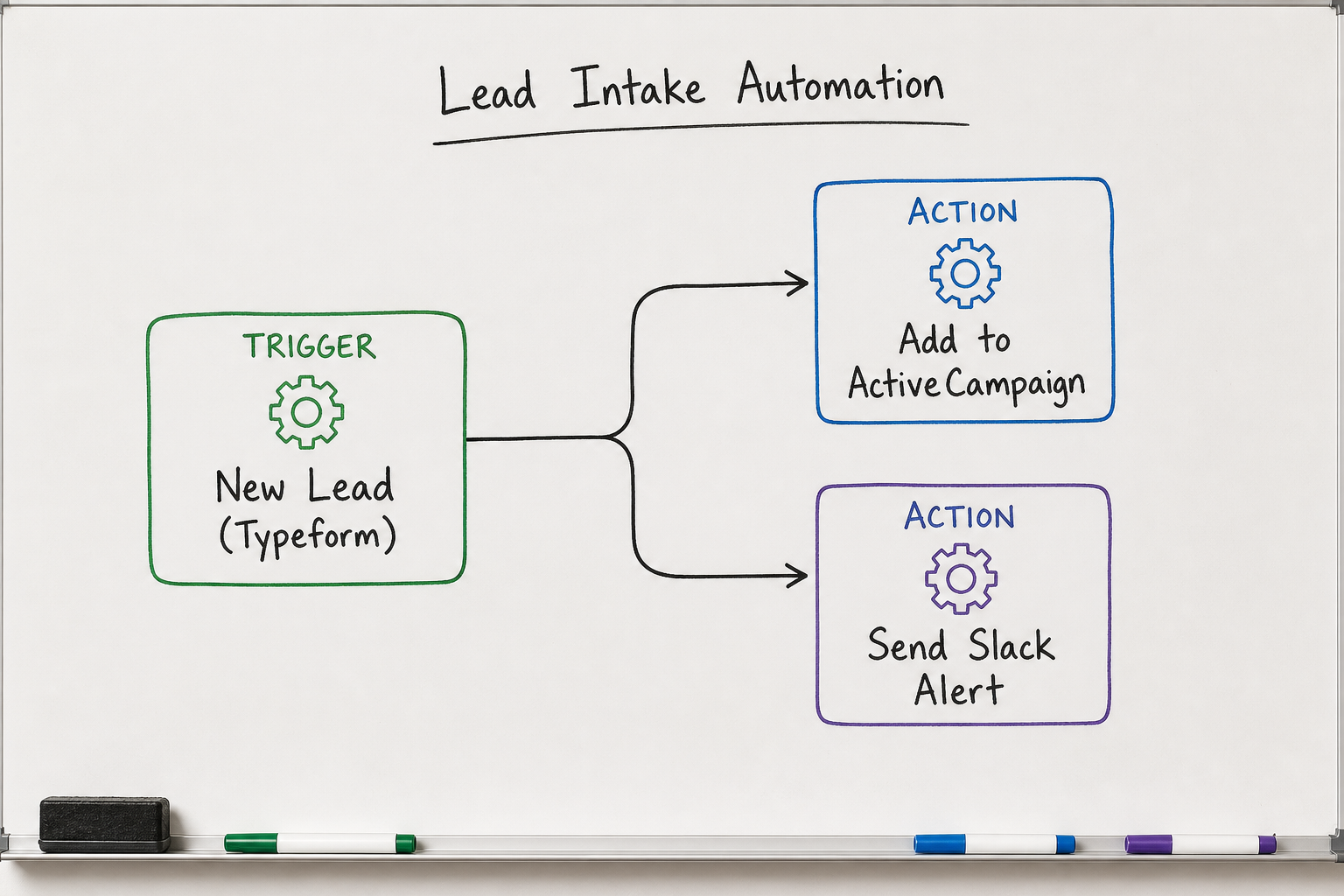
For example, as highlighted by Zapier's own digital marketing experts, you can set up a Zap so that when a user fills out a Typeform on your site, they are automatically added to an ActiveCampaign list, and you receive a notification in Slack.
- Best Affiliate Use Case: Automating repetitive tasks. E.g., automatically sharing your new WordPress blog posts to all your social media channels via Buffer, or logging high-ticket lead captures into a Google Sheet.
- Pricing: Free tier for basic single-step automations; paid plans start at ~$20/mo.
13. HubSpot (For a Comprehensive CRM)
Most entry-level affiliates don't think they need a Customer Relationship Management (CRM) tool. But as you transition from basic B2C (business-to-consumer) niches to highly lucrative B2B (business-to-business) software niches, you begin to operate more like a sales team.
Platforms like Salesforce and HubSpot are industry standards for a reason. As enterprise-level solutions like Salesforce's Agentforce and Marketing Cloud demonstrate, tracking the customer journey from first touch to conversion is critical.
HubSpot offers a phenomenal free CRM that allows affiliates to track outreach to potential brand partners, manage direct advertising sales on their blog, and organize affiliate marketing jobs or freelance writers in one centralized dashboard.
- Best Affiliate Use Case: Managing relationships with direct affiliate managers. Instead of losing emails in a messy inbox, use HubSpot to track contract negotiations, commission bumps, and payout schedules with private affiliate networks.
- Pricing: Powerful free CRM; premium marketing hubs scale up significantly.
How to Build Your Perfect Digital Marketing Toolkit
You do not need all 13 tools to start. In fact, attempting to master too many platforms at once leads to "shiny object syndrome," a common failure mode where affiliates spend more time configuring software than producing content.
When selecting tools from directories like AffiliList or building your stack, use this decision framework:
| Tool Category | Core Purpose | When to Adopt | Recommended Tool |
|---|---|---|---|
| Foundation | Where your content lives. | Day 1 | Wix or WordPress |
| Traffic Engine | Finding what people search for. | Day 1 | Ahrefs |
| Content Engine | Speeding up research and outlining. | Month 1 | ChatGPT Plus |
| Audience Capture | Turning visitors into owned leads. | Month 3 | ActiveCampaign |
| Orchestration | Automating workflows. | Month 6+ | Zapier |
Evaluating Free vs. Paid Tools
Many beginner affiliates hunt for entirely free stacks. While commendable, relying solely on free tools can stunt your growth. As university career centers advise upcoming marketers, mastering premium tools is often necessary to stay competitive.
The rule of thumb: If a tool directly saves you more hours than its monthly cost (assuming your time is worth $50/hour), or if it directly uncovers a revenue opportunity you would have otherwise missed (like Ahrefs finding an untapped keyword), it is an investment, not an expense.
Digital Marketing Software FAQs
What are the key categories of digital marketing software?
For an affiliate, the critical categories break down into SEO/Research (to find demand), Content Management Systems (to build the site), AI/Content generation (to scale production), Social/Graphics (to distribute content), and CRM/Email Automation (to capture and nurture leads).
How do I choose the right digital marketing software?
Start by identifying your biggest bottleneck. If you have traffic but no sales, look into conversion tools like Carrd or ActiveCampaign. If you have a beautiful site but no traffic, invest in Ahrefs or Semrush. Choose tools with strong integration ecosystems (like those that plug into Zapier easily) to ensure they can grow with your business.
How does digital marketing software help with campaign management?
Software removes the guesswork. Instead of wondering if a specific blog post or Pinterest pin generated a sale, tools provide attribution. Automation tools also ensure that once a campaign is built—such as an email welcome sequence promoting your favorite SaaS niches—it runs 24/7 without your active intervention, creating true leverage.
Building a profitable affiliate portfolio in 2026 requires more than just good content; it requires a streamlined infrastructure. By carefully selecting a few best-in-class digital marketing tools, you can automate the mundane, scale your reach, and ultimately maximize your commissions across every program you promote.