
Who Are the Top Affiliate Marketers in 2026? (7 Pros)
Discover the top affiliate marketers in 2026. Learn their exact strategies, preferred traffic sources, and how they select the highest-paying SaaS programs.
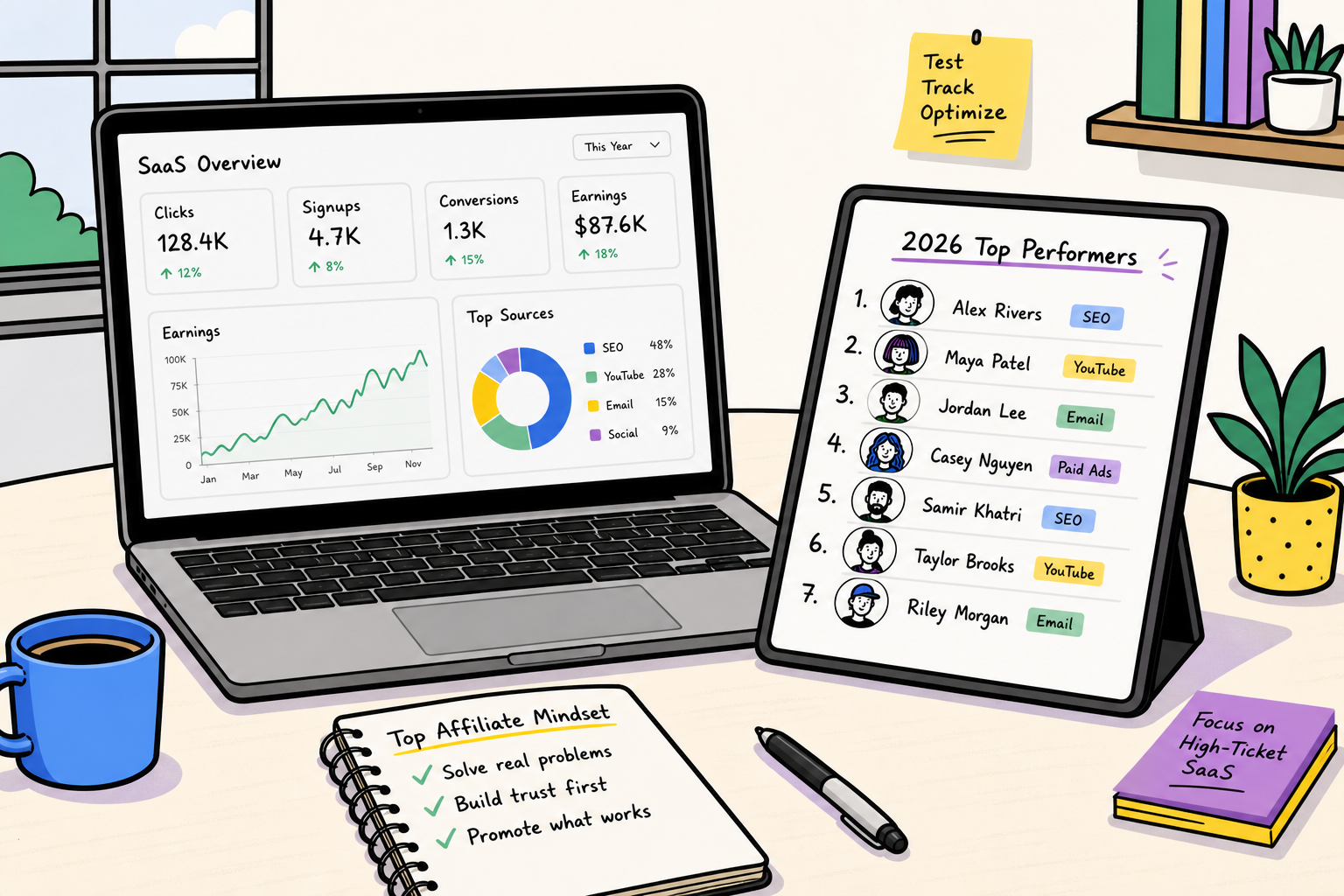
If you search for affiliate marketing advice online, you will likely encounter a flood of rented sports cars, dubious income screenshots, and people promising you can make thousands overnight by spamming links on social media. That is not how the top affiliate marketers in 2026 operate.
The real professionals driving millions of dollars in referral revenue don't look like flashy influencers. They look like operators running mature media companies. They build custom web applications, analyze deep technical SEO data, launch targeted email funnels, and carefully cultivate trust with dedicated audiences. They treat their affiliate platforms as businesses with moats, assets, and enterprise value.
Studying these industry leaders is the fastest way to understand where digital marketing is heading. In this guide, we will break down the strategies, traffic sources, and business models of seven top affiliate marketers operating today. We will also dissect the exact types of affiliate programs they prefer, so you can apply their selection criteria to your own portfolio.
What Separates the Top Affiliate Marketers from the Rest?
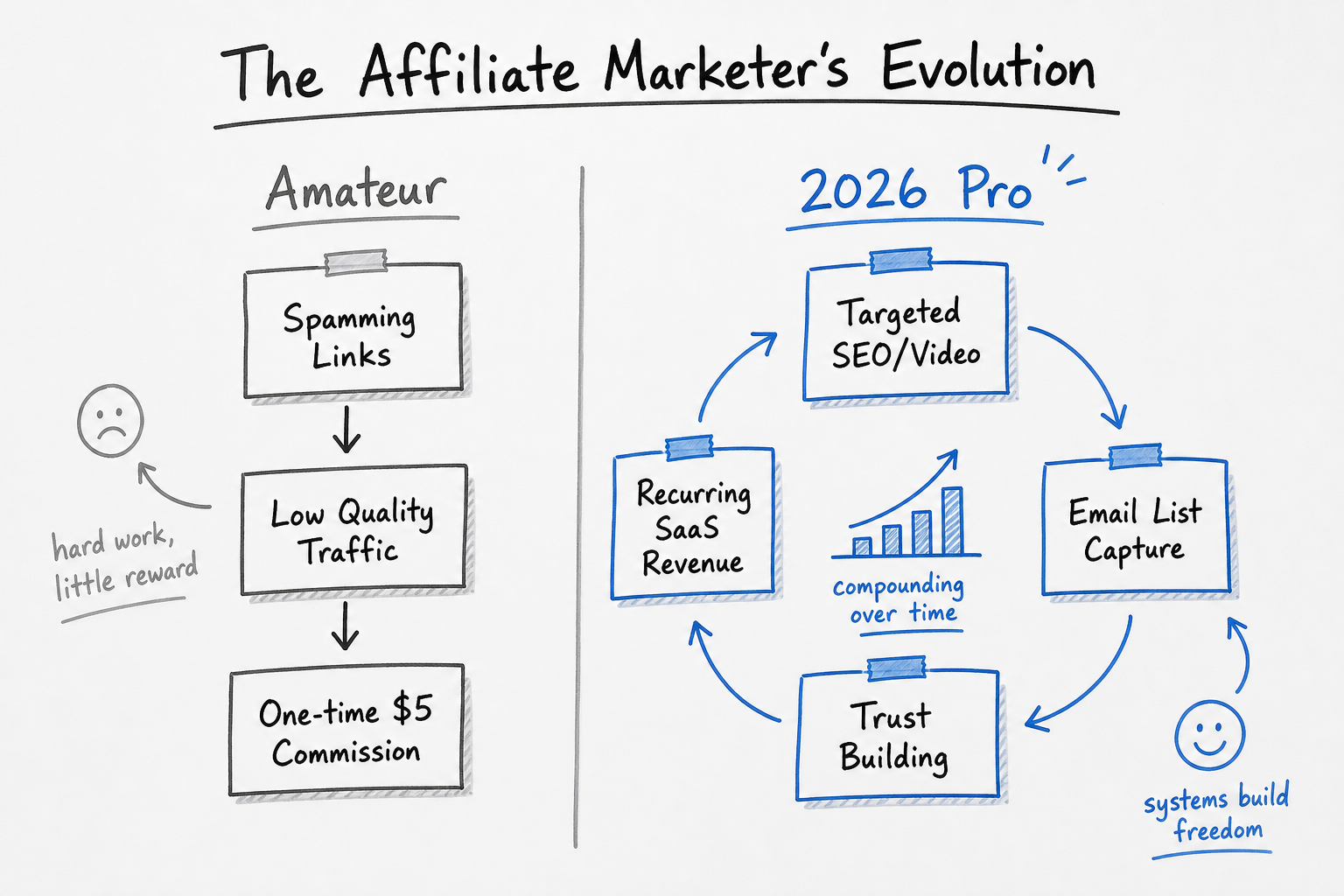
The gap between a struggling beginner and a seven-figure super affiliate comes down to strategy, not necessarily effort. Many beginners work incredibly hard writing low-quality content or chasing saturated product reviews, while the pros focus on leverage.
Here are the defining characteristics of a top-tier affiliate marketer in 2026:
- Traffic Diversification: They do not rely solely on Google. While SEO remains a primary driver, top marketers funnel organic traffic into owned assets—like email newsletters, Discord communities, or SMS lists.
- Brand Over Anonymity: The era of the faceless, generic "Best XYZ Reviews" blog is fading. The top earners build recognizable brands with high editorial standards.
- Offer Selection: They meticulously choose their partners. Instead of promoting anything with a link, they focus on high-converting SaaS tools, high-ticket items, or platforms offering recurring commissions.
- Conversion Rate Optimization (CRO): While amateurs obsession over getting more traffic, pros obsess over getting more revenue out of the traffic they already have through split-testing, custom product tables, and specialized copywriting.
Types of Affiliate Program Models the Pros Target
If you look at the portfolios of the wealthiest marketers (influencers.club), you will notice they don't just rely on standard retail commissions. They strategically mix different payout models to build stable, predictable cash flow.
1. Recurring Affiliate Programs
Recurring programs pay a percentage of a customer's subscription fee every month for as long as they remain a customer. This is the holy grail for modern affiliates. Instead of starting at zero every month, a marketer who brings in 100 new subscribers to a $100/month SaaS product (at a 30% commission) builds compounding revenue. This is why finding the best niches for affiliate marketing often points straight to B2B software and digital tools.
2. Cost-Per-Acquisition (CPA)
CPA networks pay a flat fee for a specific action, such as a lead submission, a free trial signup, or a deposit. Financial and mobile affiliate networks frequently use this model. A marketer might earn $150 simply for getting a user to open a new checking account or sign up for a trading platform.
3. High-Ticket Pay-Per-Sale (PPS)
Instead of selling hundreds of $20 items for a 5% commission, many pros focus on selling a handful of $2,000 items (like premium courses, specialized enterprise software, or luxury travel packages) for a 20-50% commission. Targeting high paying affiliate programs drastically reduces the volume of traffic needed to achieve profitability.
4. Two-Tier Affiliate Programs
In a two-tier program, an affiliate earns a commission not just on the sales they generate, but also a smaller sub-commission on the sales generated by other affiliates they refer to the program. This turns top marketers into de facto recruiters for the parent company.
Top Affiliate Marketers: Who Are They?
The following seven individuals represent different facets of the affiliate marketing industry. Some are SEO technicians, some are video creators, and others are community builders. What they all share is a proven track record of generating massive affiliate revenue ethically and sustainably.
1. Pat Flynn (The Trust Architect)
Pat Flynn is arguably the most recognized name in ethical affiliate marketing. After losing his architecture job in 2008, he launched Smart Passive Income (SPI), a blog and podcast documenting his entrepreneurial journey.
The Strategy: Flynn's approach is entirely built on audience trust. For years, he published monthly income reports detailing exactly how much he made and from which affiliate programs. He famously only promotes products he uses and genuinely believes will help his audience. His primary revenue drivers have historically been web hosting, email marketing software, and podcasting tools.
The Lesson for You: Trust is a highly monetizable asset. If you burn your audience by promoting a subpar product for a quick commission, you lose their lifetime value. Recommending fewer, high-quality products often yields higher long-term revenue than promoting every offer under the sun.
2. Matt Diggity (The SEO Scientist)
If Pat Flynn is the public face of affiliate marketing, Matt Diggity is the engineer working in the server room. A former electrical engineer, Diggity applies scientific testing to search engine optimization. He runs Diggity Marketing, hosts the Chiang Mai SEO Conference, and manages a portfolio of affiliate websites.
The Strategy: Diggity focuses on building, ranking, and flipping niche affiliate sites. He relies heavily on single-variable testing to figure out exactly what Google's algorithm wants, rather than guessing based on industry rumors. His sites often target high-value niches like health, finance, and specialized consumer goods.
The Lesson for You: SEO is not a guessing game. By learning how to properly structure a site, acquire authoritative backlinks, and optimize conversion rates, you can turn a small, hyper-targeted niche site into a highly valuable digital asset. If you are wondering how to start a profitable affiliate marketing blog, Diggity's technical, data-first methodology is the gold standard.
3. Austin Armstrong (The Video & SaaS Innovator)
Austin Armstrong represents the new guard of affiliate marketing. While older affiliates relied strictly on long-form written content, Armstrong has mastered the art of vertical video (TikTok, YouTube Shorts, Instagram Reels) to drive massive software sales.
The Strategy: Armstrong focuses heavily on the B2B SaaS niche. He uses short-form video to demonstrate how AI and marketing tools solve specific business problems. He is a prominent advocate for high-paying SaaS programs like GoHighLevel and his own software, Syllaby. In fact, Armstrong frequently highlights these exact types of high-paying recurring platforms as his primary revenue drivers (www.facebook.com).
The Lesson for You: You do not need to rely solely on Google search to succeed. By demonstrating a software's value visually in 60 seconds, you can capture buyers who are looking for immediate solutions. Video search is highly lucrative for SaaS affiliate marketing.
4. Spencer Haws (The Niche Site Pioneer)
Spencer Haws is the founder of Niche Pursuits and the creator of several software tools designed for affiliate marketers, including Link Whisper. He has spent over a decade building, growing, and selling niche content sites.
The Strategy: Haws is famous for the "long-tail keyword" strategy. Instead of trying to rank for impossible, highly competitive terms (like "best credit cards"), he targets thousands of low-competition, highly specific questions that his target audience is asking. He builds portfolios of smaller sites, proving that you don't need a massive, million-visitor media empire to make a lucrative living.
The Lesson for You: Niche selection is everything. If you are struggling, you are likely competing in an arena that is too broad. Refining your focus is critical; learning how to pick a niche for affiliate marketing can be the difference between making zero dollars and building a full-time income.
5. Matt Giovanisci (The Brand Builder)
Matt Giovanisci runs Swim University (a pool and hot tub care site) and Money Lab. He is known for his blunt, no-nonsense approach and his obsession with design and user experience.
The Strategy: Giovanisci actively fights against the "standard affiliate site" look. He custom-codes his websites, uses high-quality custom graphics, and writes in a highly engaging, brand-specific voice. Because his sites look like premium media brands rather than spammy review blogs, he commands higher trust, attracts natural backlinks, and achieves excellent conversion rates on both physical products and his own digital courses.
The Lesson for You: Aesthetics and user experience matter. If your site looks like it was built in 2005 just to hold affiliate links, users will bounce. Treat your niche site like a legitimate magazine.
6. Missy Ward (The Industry Connector)
Missy Ward is the co-founder of Affiliate Summit, the largest performance marketing conference in the world. While she has extensive experience as an affiliate herself, her true power lies in her role as a networker and industry facilitator.
The Strategy: Ward understood early on that affiliate marketing is ultimately a relationship business. By creating the premier event where affiliates, networks, and merchants meet face-to-face, she positioned herself at the center of the industry's deal flow.
The Lesson for You: The best affiliate deals are rarely public. Once you prove you can drive traffic, getting on a plane and meeting affiliate managers in person can result in custom landing pages, higher commission rates, and exclusive promotional codes that your competitors cannot access.
7. Miles Beckler (The Direct Response Strategist)
Miles Beckler built his wealth through a mix of affiliate marketing and digital products in the spirituality and personal development space. He is known for his "no-BS" YouTube channel where he gives away highly technical digital marketing advice for free.
The Strategy: Beckler is a master of the direct response funnel. Instead of just trying to get a user to click an affiliate link on a blog post, he focuses on capturing their email address first. Once the user is on his list, they receive a carefully crafted, automated sequence of emails that provide immense value while seamlessly pitching relevant affiliate offers over months or even years.
The Lesson for You: "The money is in the list." If you rely entirely on organic search traffic, you are renting your business from Google. Building an email list allows you to own your audience and generate affiliate sales on demand.
How These Pros Choose the Best Affiliate Programs
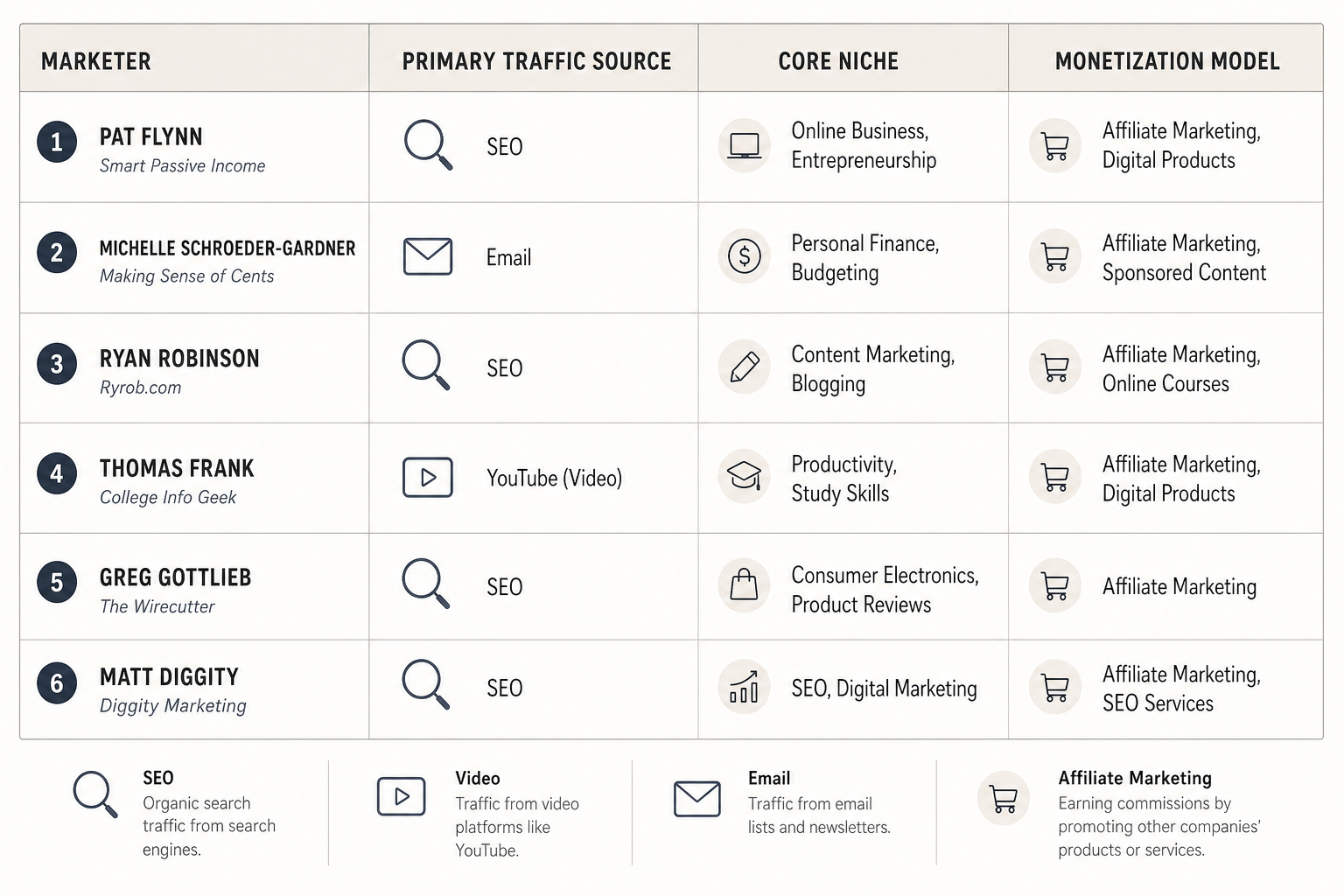
The top marketers do not just sign up for Amazon Associates and hope for the best. They are highly analytical about the programs they join. When top creators look for partnerships (www.shopify.com), they evaluate a specific set of criteria:
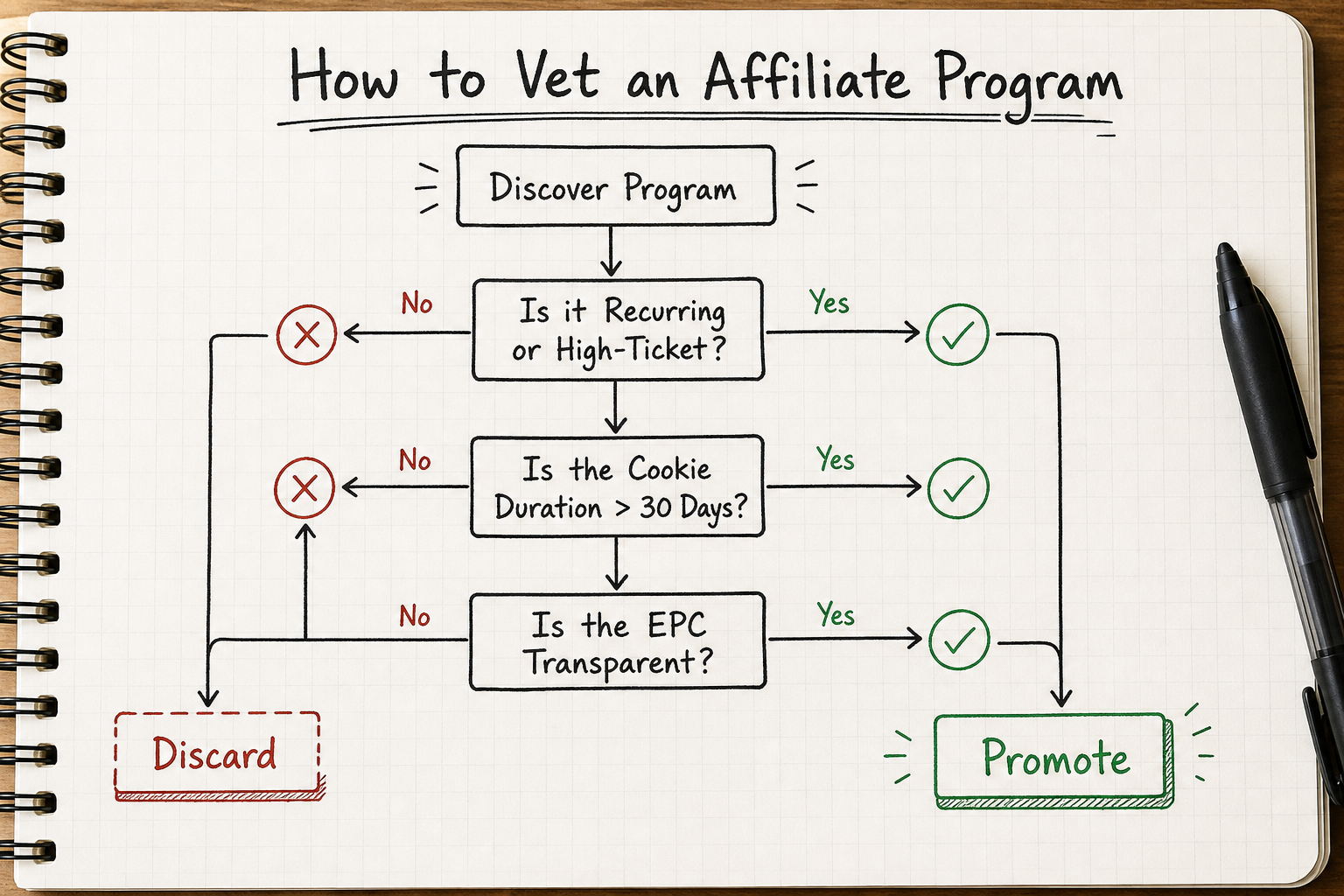
1. High Earnings Per Click (EPC)
Commission percentage alone is deceptive. A 50% commission on a product that nobody buys is worthless. Pros look at the EPC—how much money they make, on average, for every click they send to the merchant. A high EPC proves that the merchant's landing page is highly optimized and actually converts the traffic being sent to it.
2. Generous Cookie Duration
When a user clicks an affiliate link, a small file (a cookie) is placed on their browser to track the referral. If the cookie duration is 24 hours (like Amazon), you only get paid if the user buys immediately. If the cookie duration is 90 days (common in SaaS), you get paid even if the user waits two months to finally purchase. Top affiliates prioritize long cookie durations, especially for expensive software that requires a longer buying decision.
3. Open Program Transparency
Professional marketers despise opaque programs. They do not want to jump through extensive application hoops just to see the commission structure. This is a core reason why directories like AffiliList are valuable—they bypass cluttered, outdated networks and provide transparent, immediate access to commission rates, payout terms, and program details so marketers can make rapid, data-backed decisions.
4. Niche Relevance Over Broad Appeal
Top marketers know that promoting a generic credit card offer on a specialized software blog won't work. They look for tightly aligned products. If they are running a human resources blog, they look for specific HR SaaS affiliate programs. Sticking to the most profitable affiliate marketing niches ensures that the traffic intent perfectly matches the offer.
Is Affiliate Marketing Still Profitable in 2026?
A common question among beginners is whether the industry is dead, usually spurred by Google algorithm updates or the rise of AI-generated content.
The short answer is: yes, it is highly profitable. However, the barrier to entry has changed. You can no longer spin up a site with 50 mediocre articles and expect to make $5,000 a month. The top marketers are succeeding because they have adapted. They are using AI to streamline their workflows, not to replace their expertise. They are injecting first-hand experience, original data, and unique visual assets into their content to prove they actually know what they are talking about.
If you are wondering is affiliate marketing legit, the answer is found in the business models of the seven pros listed above. They treat it like a serious enterprise, and the rewards reflect that level of professionalism.
Actionable Steps to Emulate the Super Affiliates
Reading about successful marketers is only useful if you apply their frameworks. If you want to build an affiliate marketing side hustle that eventually replaces your day job, follow this sequence:
- Stop Consuming, Start Publishing: Pick one primary traffic channel. Whether it is a blog optimized for SEO (like Matt Diggity), vertical video (like Austin Armstrong), or a specific social platform like Pinterest (affiliate marketing program for pinterest), commit to it for 12 months.
- Select 3 Core SaaS or High-Ticket Offers: Do not spread yourself thin across 50 different programs. Find three high-converting, preferably recurring, offers using a transparent directory. Build all of your content around solving the problems that those three products fix.
- Build a Lead Magnet: Create a one-page checklist, a simple spreadsheet, or a free email course that solves a hyper-specific problem for your audience. Require an email address to download it.
- Automate the Follow-Up: Set up an automated sequence of 5-7 emails that deliver the lead magnet, introduce your personal story, provide additional free value, and softly pitch your core affiliate offers.
- Reinvest in Assets: Once you make your first $1,000, do not spend it. Reinvest it into better software, premium website hosting, or freelance writers to scale your content production.
FAQ
Are affiliate marketers only successful through blogging?
No. While blogging and SEO remain massive channels, many top affiliates never write a single article. They build audiences on YouTube, TikTok, email newsletters, or run paid ads (arbitrage) directly to landing pages. Video and social commerce are rapidly capturing market share.
How do affiliate marketers choose the right products to promote?
They prioritize products they actually use or have thoroughly vetted. Structurally, they look for high EPCs, long cookie durations (30+ days), recurring commission structures, and excellent landing page design from the merchant. They use specialized directories to quickly filter and compare these metrics.
Can you get a normal job in affiliate marketing?
Yes. If you don't want the risk of running your own sites, the demand for affiliate managers is exceptionally high. Brands constantly need professionals to recruit affiliates, manage payouts, and optimize their internal programs. There are numerous affiliate marketing jobs available at major SaaS companies, remote agencies, and large media publishers.
What are the most profitable affiliate niches right now?
In 2026, the highest margins are found in B2B software (SaaS), wealth management and finance, health and longevity, and specialized digital courses. These niches offer profitable affiliate marketing niches because the customer lifetime value (LTV) is incredibly high, allowing merchants to pay aggressive commissions.