
UpPromote Affiliate Program: What Marketers Need to Know
Discover how the UpPromote affiliate program marketplace connects marketers with high-paying Shopify DTC brands. Learn strategies, pros, cons, and alternatives.
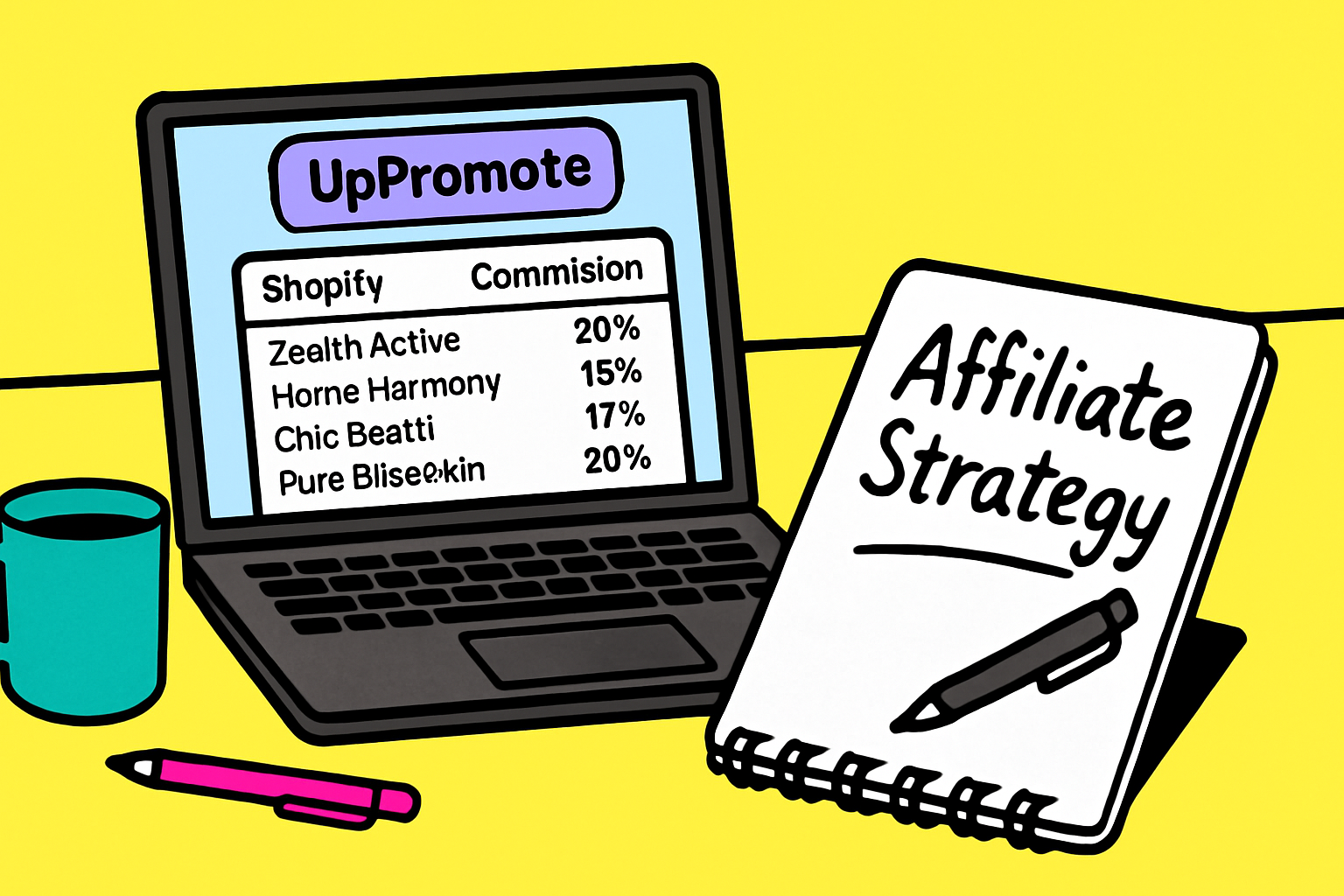
If you have been in the affiliate marketing space for more than a few months, you already know the frustration of the traditional network model. You log into a legacy platform, navigate an interface that looks like it was built in 2004, and apply to promote a brand—only to be ignored for weeks. Meanwhile, the brands themselves are paying hefty network fees just to list their offers, which artificially lowers the commissions they can afford to pay you.
But a quiet shift has been happening in the e-commerce sector. Thousands of direct-to-consumer (DTC) brands on Shopify are abandoning the massive, expensive legacy networks. Instead, they are running their partner programs entirely in-house using Shopify apps.
At the very top of that app ecosystem sits UpPromote.
For affiliate marketers, bloggers, and niche site owners, the UpPromote Affiliate Marketplace has become a hidden goldmine. Because merchants save thousands on network access fees, they are often willing to offer significantly higher commission rates directly to partners.
However, navigating an app-based marketplace is fundamentally different from using a traditional network. This guide breaks down exactly what the UpPromote ecosystem is, how to evaluate the brands using it, and how to spot high-converting opportunities without getting burned by amateur merchants.
What is UpPromote? (The Merchant vs. Marketer Divide)
To understand how to leverage UpPromote, you first have to understand what it actually is. UpPromote is fundamentally a top-rated Shopify App designed for e-commerce store owners. With over 3,380 reviews, it is the dominant referral and affiliate management tool on the Shopify platform.
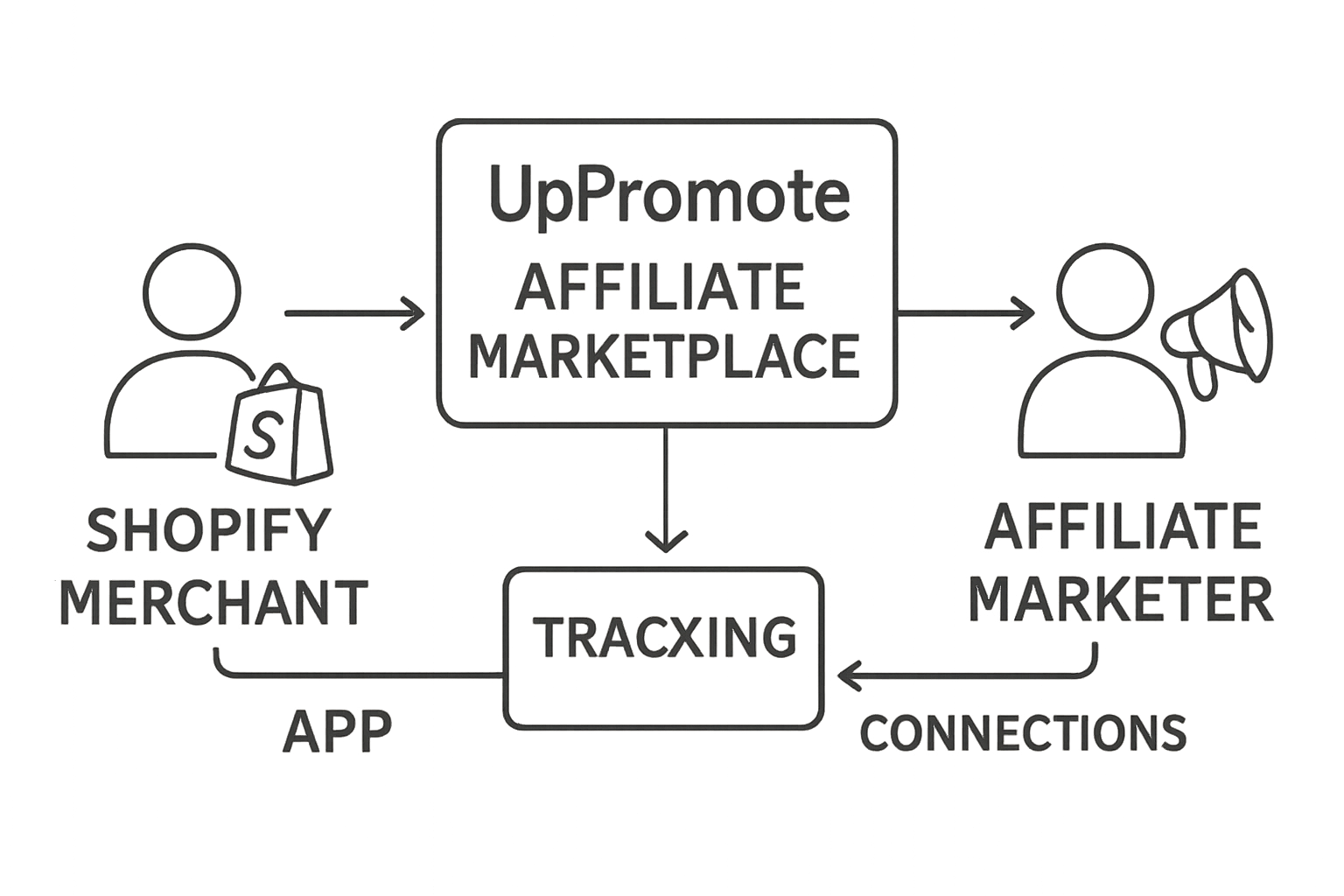
For Merchants (Store Owners): UpPromote allows them to spin up an affiliate program in minutes. It handles tracking links, coupon codes, commission calculations, and affiliate onboarding. They pay a monthly SaaS fee (ranging from Free to $199.99/month) based on the features and volume they need.
For Marketers (You): UpPromote operates a centralized marketplace. When merchants install the app, they can opt-in to list their brand in the UpPromote Affiliate Marketplace. This creates a searchable directory of thousands of independent Shopify stores actively looking for affiliates.
Unlike traditional networks where the network acts as a rigid middleman holding the funds, UpPromote acts more like a matchmaking service and a tracking software. You are ultimately building a direct relationship with the merchant.
Why Affiliate Marketers Are Flocking to App-Based Marketplaces
If you are currently relying heavily on Amazon Associates—where you might earn a meager 3% to 4% on physical products—the transition to direct Shopify partnerships can be jarring in the best way possible.
Here is why savvy content creators are shifting their focus to direct marketplace apps:
1. Superior Commission Margins
Traditional networks (like ShareASale or CJ Affiliate) often charge merchants an override fee—sometimes taking 20% to 30% of the commission paid to the affiliate. If a brand wants to pay you 10%, they actually have to pay the network 12% to 13%.
Because UpPromote charges a flat monthly SaaS fee to the merchant instead of an override, the brand retains that margin. We routinely see Shopify brands on UpPromote offering 15%, 20%, or even 30% commissions on physical products, putting them closer to high paying affiliate programs normally reserved for software.
2. Access to Niche, Emerging Brands
Massive networks require large setup fees and strict compliance standards, keeping small but fast-growing DTC brands locked out. If you are targeting profitable affiliate marketing niches like custom pet portraits, specialized keto snacks, or boutique fitness gear, you are more likely to find these agile, trendy brands running their programs via UpPromote.
3. Direct Communication
Because you are technically logging into the merchant's specific portal (powered by UpPromote), you often get direct access to the store owner or their dedicated marketing manager. This makes it infinitely easier to negotiate custom coupon codes, request product samples, or secure hybrid flat-fee/CPA deals.
How to Navigate the UpPromote Affiliate Marketplace
The UpPromote marketplace is vast, but it requires a strategic approach. You aren't just looking for high numbers; you are looking for reliable merchants who understand how to convert the traffic you send them.
Creating Your Affiliate Account
You can browse the marketplace and sign up as an affiliate directly. Once inside, you'll see a dashboard that categorizes apps by niche.
However, it's vital to note that each merchant controls their own approval process. UpPromote does not auto-approve you for every brand just because you joined the marketplace. You still need to submit requests to individual program lists and prove your traffic sources.
Evaluating a Merchant's Offer
When you click on a brand in the marketplace, you'll see their program details. Do not just look at the percentage. You must evaluate the holistic offer:
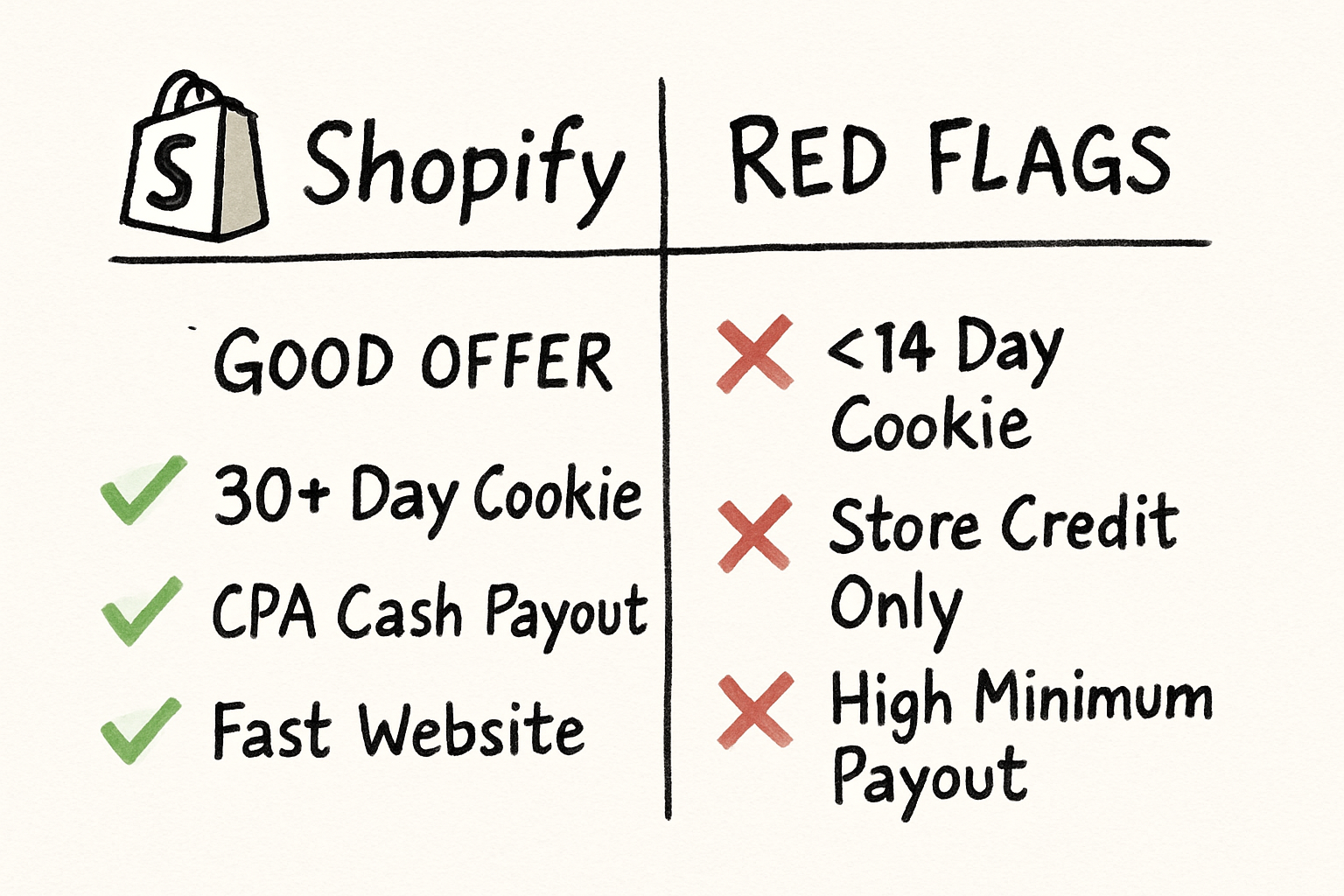
- Cookie Duration: Standard in e-commerce is 30 days. Anything less than 14 days for a physical product is a red flag. If it's a high-ticket item ($500+), look for 60 to 90 days.
- Commission Type: Look for CPA (Cost Per Action/Sale). Be extremely wary of merchants offering "Store Credit" instead of cash. Unless you personally want thousands of dollars in niche candles, insist on cash payouts via PayPal or bank transfer.
- Average Order Value (AOV): A 30% commission sounds great, but if the product costs $5, you are only making $1.50 per sale. A 10% commission on a $250 item ($25) is a much better use of your traffic.
- The Store's Conversion Rate: UpPromote tracking is good, but the merchant's website must actually convert. Visit their Shopify store. Does it load fast? Are there professional photos? Is the checkout process seamless? If the site looks like it was thrown together in a weekend, do not send your hard-earned traffic there.
UpPromote vs. Traditional Affiliate Networks
To build a resilient affiliate marketing side hustle, you need to understand where a tool like UpPromote fits into your broader tech stack compared to legacy networks.
| Feature | UpPromote Marketplace | Traditional Networks (e.g., ShareASale, CJ) |
|---|---|---|
| Network Fees | Zero override fees; flat SaaS fee for merchants. | 20-30% override fees on commissions. |
| Brand Profiles | Heavy focus on Shopify DTC, indie brands, emerging physical products. | Large corporate retailers, enterprise brands, established SaaS. |
| Payout Control | Managed by the individual merchant. Payout times vary widely. | Centralized and guaranteed by the network. Consistent Net-30/60 payouts. |
| Approval Speed | Highly variable. Depends entirely on the merchant's responsiveness. | Often faster, with some auto-approvals based on network history. |
| Risk of Churn | Higher. Small Shopify stores can go out of business quickly. | Lower. Enterprise brands rarely vanish overnight. |
The biggest takeaway here is payout risk. With a traditional network, the network collects the money from the brand and holds it in escrow to pay you. With UpPromote, the app tracks the sale, but the merchant is still responsible for clicking "pay" and sending the funds via PayPal or their chosen method.
This means you must vet the brand's legitimacy before sending them thousands of clicks.
The B2B Angle: Promoting UpPromote to Merchants
If you are in the B2B SaaS or digital marketing niche, you don't just have to use UpPromote to find consumer brands—you can promote UpPromote itself.
Like many top-tier software tools, UpPromote has an affiliate program designed for agencies, educators, and B2B content creators who refer Shopify store owners to the app.
If your audience consists of aspiring e-commerce founders, dropshippers, or digital entrepreneurs, referring them to UpPromote is a highly lucrative play. Because it is an essential piece of infrastructure for a scaling Shopify store, the churn rate is relatively low, making it a reliable addition to the best niches for affiliate marketing.
When promoting B2B SaaS apps:
- Focus on the Pain Point: Highlight how much money stores lose to traditional network fees.
- Showcase the Integration: Emphasize that UpPromote is native to Shopify, meaning it won't break store themes or cause checkout friction.
- Target High-Intent Keywords: Create content around "how to start an affiliate program on Shopify" rather than just "UpPromote review."
Tactical Strategies for Promoting DTC Brands
Once you have found a killer e-commerce brand on the UpPromote marketplace, how do you actually drive sales? Physical products require a different promotional strategy than digital courses or software.
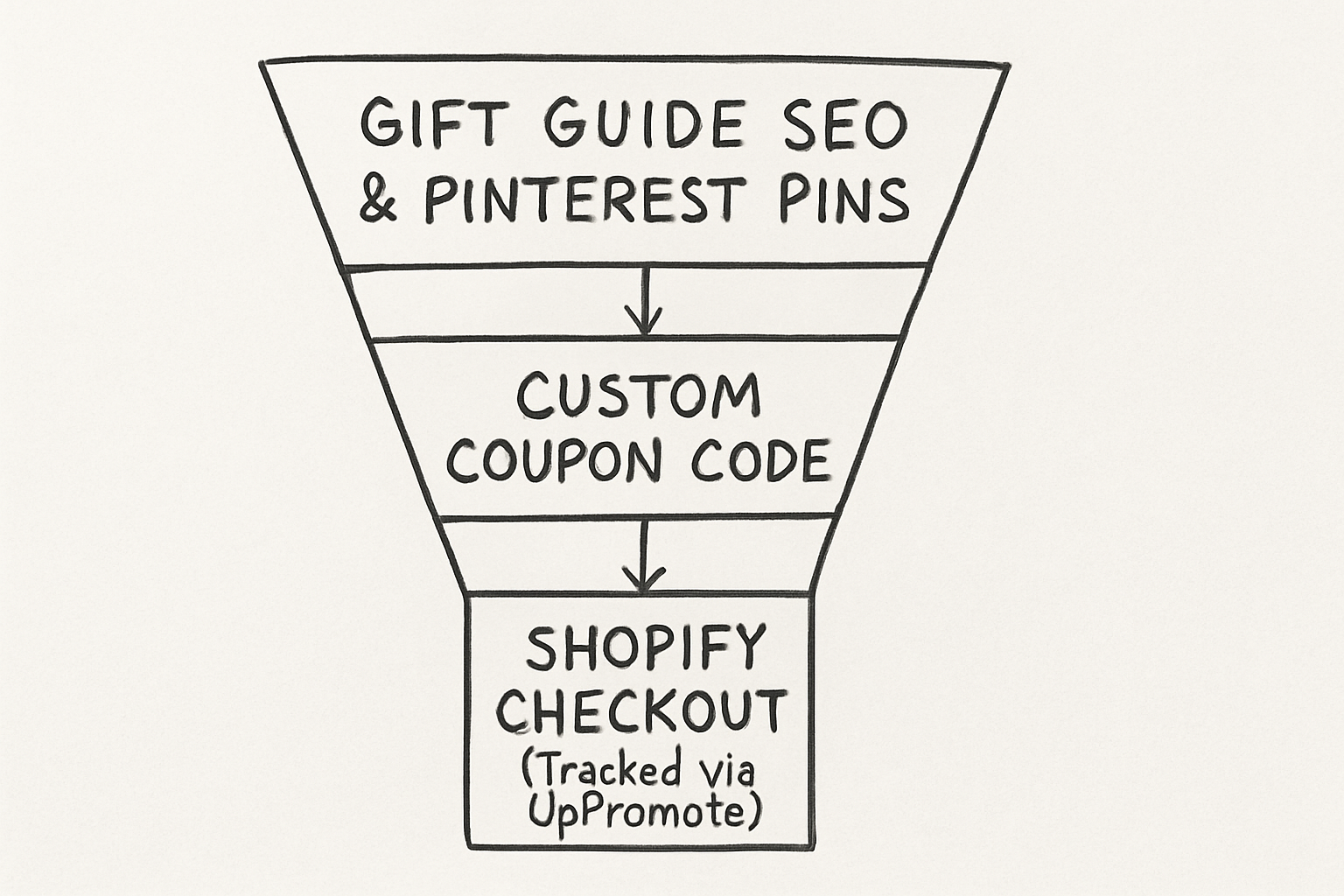
1. The "Gift Guide" SEO Strategy
People search for software by name. They search for physical products by category and recipient. Create highly specific, SEO-optimized listicles.
- Instead of: "Best Coffee Beans"
- Target: "Best Ethical Coffee Brands for Espresso Snobs"
Embed your UpPromote affiliate links throughout the listicle. Because these are niche DTC brands, they often have unique brand stories that make writing compelling copy incredibly easy.
2. Pinterest Shopping Integration
Pinterest is the ultimate visual search engine for physical products. The audience is primed with high commercial intent. When you partner with a Shopify brand via UpPromote, ask them for access to their raw lifestyle image assets.
Create multiple pin variations for a single product. Pinning high-quality, aesthetic imagery directly linked to a niche Shopify store often yields higher conversion rates than linking to a generic Amazon product page. For a deeper dive on this, check out our guide on setting up affiliate marketing on Pinterest.
3. Dedicated YouTube Unboxings
Reach out to the merchant via your UpPromote portal and propose a trade: a free product sample in exchange for a dedicated YouTube review. Because you have a direct line to the store owner, they are much more likely to agree to this than a faceless affiliate manager at a massive corporation.
Common Pitfalls and Edge Cases to Avoid
Working directly with independent Shopify merchants is lucrative, but it isn't without its risks. Here are the most common failure modes marketers encounter and how to mitigate them.
The "Store Credit" Trap
We touched on this briefly, but it deserves its own section. Many new Shopify store owners misunderstand affiliate marketing. They think of it as an influencer referral program and set their UpPromote payouts to "store discount" or "store credit."
Always double-check the payout terms before generating a single click. If you are trying to build a real affiliate marketing blog that pays your rent, you cannot pay your landlord in artisan bath bombs.
Payout Thresholds and Frequencies
Because merchants control their own programs, they set their own minimum payout thresholds.
- Scenario A: Merchant sets a $20 minimum payout threshold. You make one $30 commission. You get paid at the end of the month. Great.
- Scenario B: Merchant sets a $500 minimum payout threshold. You make a $30 commission. You will likely never see that money unless you dedicate massive traffic to that specific store.
Always read the merchant's specific terms of service. If their payout threshold is unreasonably high, move on.
Tracking Issues with Ad Blockers
Like all tracking software, UpPromote relies on cookies and tracking pixels. As privacy browsers and ad blockers become more prevalent, third-party cookie tracking can occasionally drop.
To combat this, request a custom coupon code from the merchant. UpPromote allows merchants to assign specific coupon codes to specific affiliates. Even if the tracking cookie is blocked by a privacy browser, if the customer enters your code (e.g., AFFILILIST20) at checkout, the UpPromote system will forcefully attribute the sale to your account. This hybrid tracking approach is essential for modern e-commerce affiliates.
Is the UpPromote Affiliate Marketplace Worth Your Time?
The short answer is: absolutely.
The long answer is that it requires a more discerning eye than traditional networks. You are trading the safety and centralization of legacy platforms for the high margins, flexibility, and massive inventory of the Shopify DTC ecosystem.
If you know how to pick a niche for affiliate marketing and have the skills to drive targeted buyer traffic, the UpPromote marketplace offers access to some of the most dynamic, high-converting e-commerce brands on the internet today.
Treat it as a discovery engine. Use it to find brands that align perfectly with your audience, negotiate direct terms, secure custom coupon codes, and build profitable, long-term partnerships that cut out the middleman entirely.